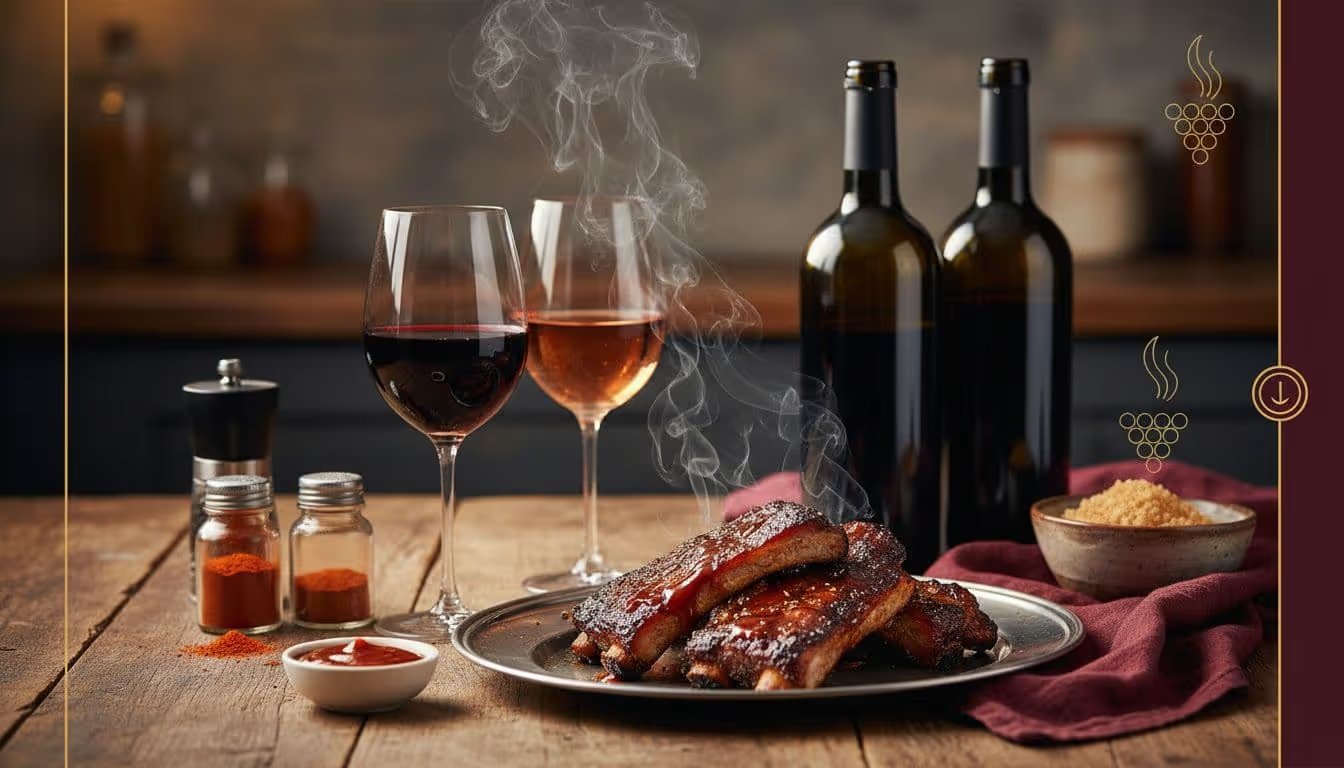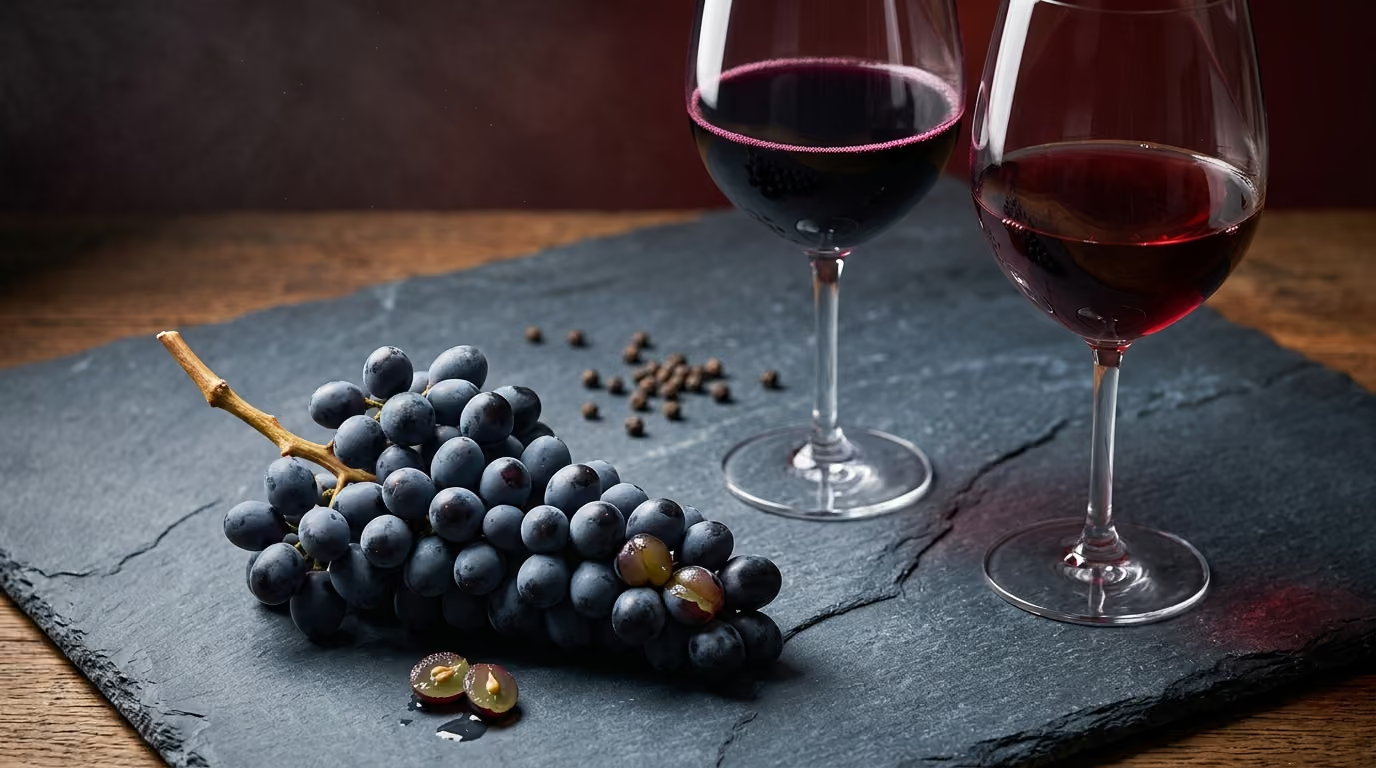
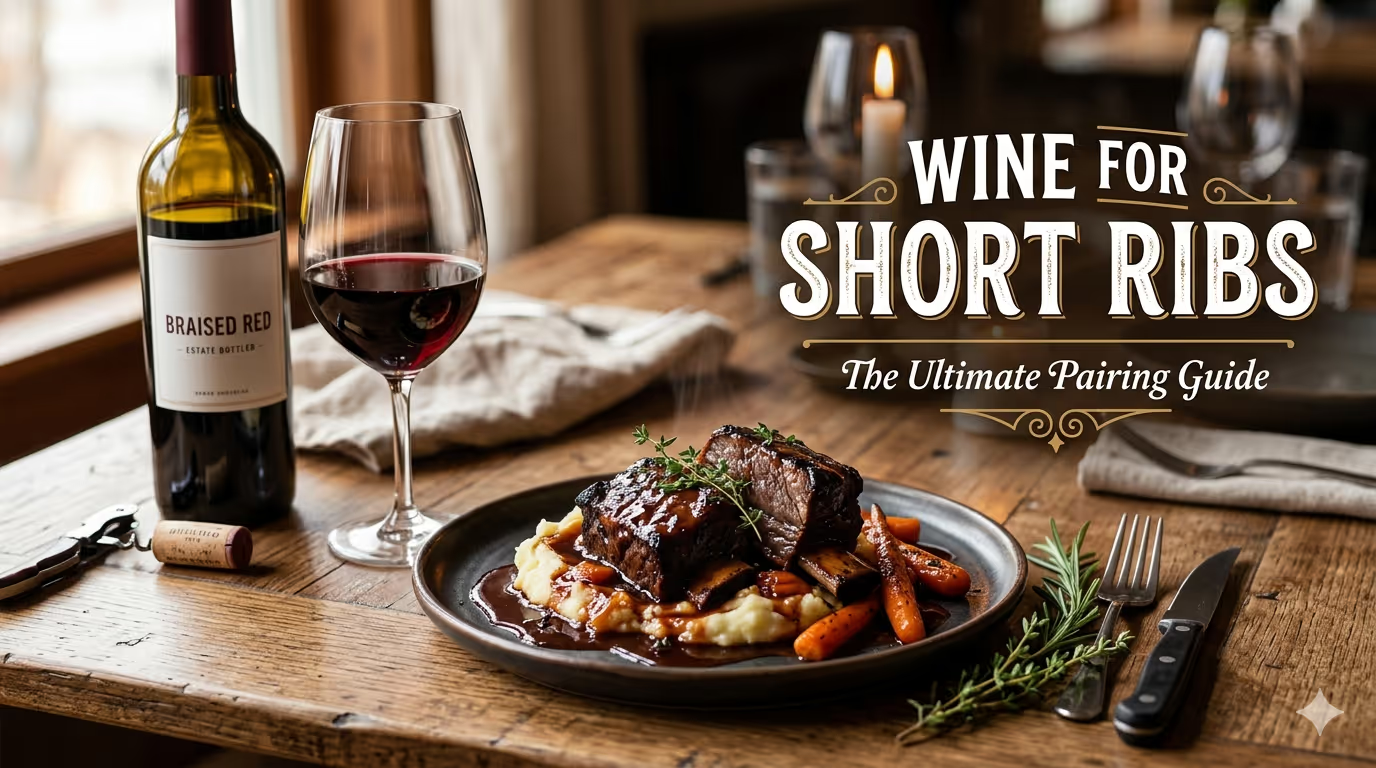

Syrah usually leads, with Malbec, Cabernet, and Zinfandel close behind for braised short ribs and creamy polenta.
Braised short ribs are rich, soft, and deeply savory, so the wine should have real weight. For most dinners, Syrah is the best wine for short ribs and polenta because it brings dark fruit, pepper, and enough freshness to cut through the meat.
Cabernet Sauvignon, Malbec, and a balanced Zinfandel also work well. The right bottle doesn't need to be rare or expensive, and you don't need wine school to choose it.
Why short ribs call for a bold, dry red
Short ribs spend hours becoming tender. Polenta adds a creamy, buttery layer under all that beef. Put those together, and light wines disappear fast.
A good match needs three things: body, fruit, and lift. Body helps the wine stand up to the meat. Dark fruit keeps the pairing generous instead of harsh. Freshness keeps each bite from feeling heavy.
Syrah hits that balance better than most reds. It has enough depth for the beef, but it also brings pepper, smoke, and acidity that keep the plate awake. Cabernet Sauvignon can be great too, especially if the braise is rich and glossy. Malbec is often the easiest crowd-pleaser because it feels plush without getting sleepy. Zinfandel works when the sauce leans sweet-savory, but it can feel jammy if the bottle is too ripe.
If you want one safe order, ask for Syrah or a Syrah-based blend.
Tannin matters, but it isn't the whole story. Short ribs can handle tannin because the meat is fatty and slow-cooked. Polenta changes the equation a bit because it softens the plate. That's why a huge, drying Cabernet can feel a touch strict, while Syrah or Malbec often feels more complete.
If you want a broader guide to matching wine with meals, keep one rule in mind: match the weight of the wine to the weight of the dish. Short ribs are heavy and silky, so the bottle should feel substantial too.
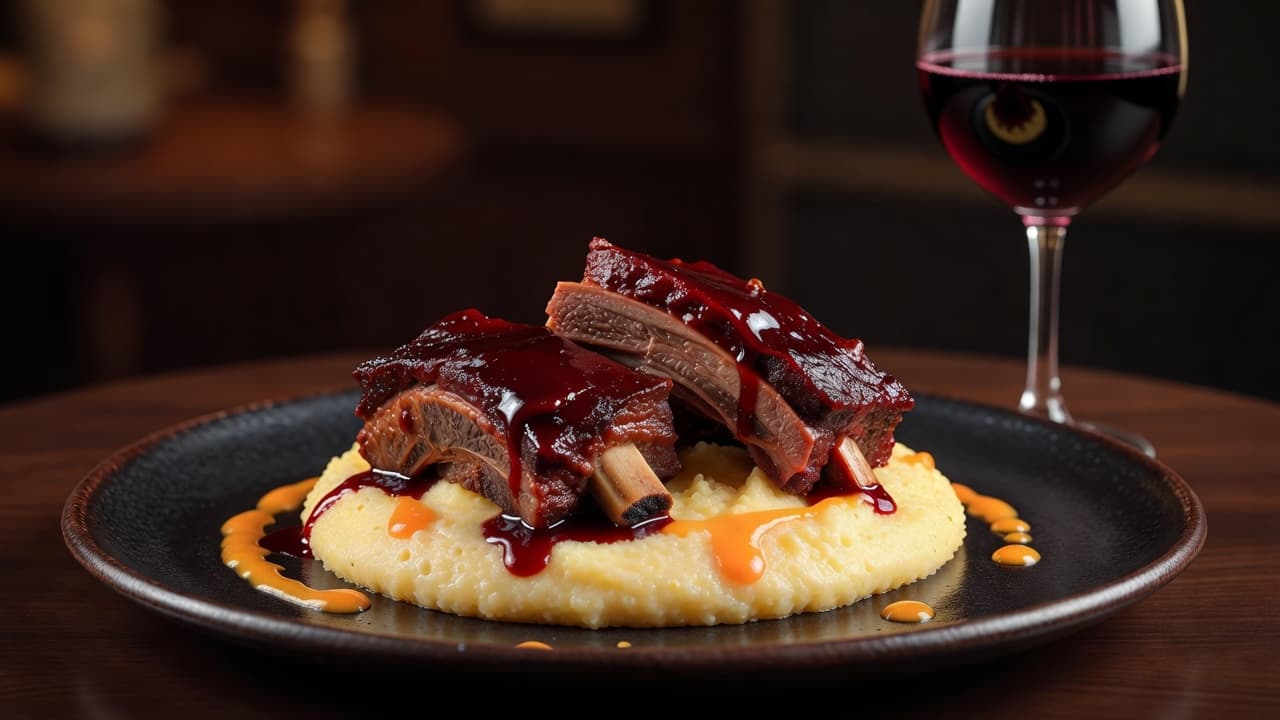
The best red wine styles for braised short ribs and polenta
A simple wine pairing guide helps more than a long lecture. If you want wine explained simply, look for dry reds with dark fruit, medium-to-full body, and enough acidity to keep the plate moving.
Here is a quick wine guide for the bottles most likely to work.
| Wine style | Why it works | Best for |
|---|---|---|
| Syrah or Shiraz | Pepper, smoke, dark fruit, fresh finish | The best all-around match |
| Malbec | Soft texture, plum fruit, easy richness | A smooth, crowd-friendly option |
| Cabernet Sauvignon | Structure and depth | Heavier braises with lots of beef flavor |
| Zinfandel | Bold fruit, spice, warmth | Slightly sweet-savory sauces |
| Merlot | Softer tannin, round feel | Readers who want less bite |
Syrah stays at the top because it mirrors what makes the dish great. Beef loves savory reds, and polenta likes a wine with enough fruit to feel generous. A Northern Rhone-style Syrah is excellent if you find one, but many domestic Syrahs also nail the pairing. Wine Enthusiast Partners highlights Syrah with braised short ribs for the same reason: pepper and smoke fit the dish.
Malbec is the easiest backup plan. It rarely feels too lean or too aggressive, so it suits dinner guests with mixed tastes. Cabernet Sauvignon works when you want a firmer, darker style, though a bottle with moderate oak is better than one that tastes like toasted wood. Food & Wine's short rib pairing ideas also point toward rich, full-bodied reds, including Zinfandel.
Most people don't need wine tasting notes explained line by line. You need clear wine recommendations you can use in 30 seconds. In plain terms, short ribs want a red that feels dark, dry, and full without tasting sweet.
How to choose wine at a restaurant or in the store
Restaurant menus can make a simple dinner feel like a test. Good restaurant wine tips cut the page down fast, and short ribs make that easier than lighter dishes do.
Start by skipping white wine, rosé, and light reds unless the kitchen prepares the dish in an unusual way. Next, look for Syrah, Malbec, Cabernet Sauvignon, or a red blend built around those grapes. After that, stay in your price range and order the one that sounds least sweet and least oaky. Those wine list tips work because they remove noise.
A server doesn't need your life story. Say, "I'm having the short ribs. I'd like a dry red, something like Syrah or Malbec, under $70." That sentence gets you better wine recommendations than vague questions ever will.
Store shopping needs a slightly different plan. Grocery store wine picks get easier when you stop chasing perfect labels. Instead, scan the shelf for the right style, then buy by budget.
Use these simple wine tips in the aisle:
- Pick a dry red first, not a sweet red.
- Choose medium-to-full body over light and delicate.
- Favor Syrah, Malbec, Cabernet, or red blends.
- Skip bottles that promise extra sweetness or heavy vanilla.
A home cook can also use the wine in the braise, as long as it's a bottle you'd happily drink. FamilyStyle Food notes dry, full-bodied reds for the dish, and that advice holds up well.
If you've ever searched how to choose wine and still felt stuck, the missing piece is often calm, friendly wine advice, not more facts. Sommy is built for that moment. The AI wine assistant can turn a shelf photo or menu scan into smart wine recommendations based on your taste, budget, and dinner. Instead of vague wine app suggestions, you get personalized wine picks, personalized wine recommendations, and smart wine picks that feel useful in real life.
That kind of help matters because most people want a modern wine guide, not a class. Short, simple wine explanations, a few clear wine recommendations, and steady everyday wine advice are enough to get dinner right.

What to avoid, and when to pick a softer red
A few bottles miss the mark, even if they sound impressive. Sweet reds flatten the dish. Thin Pinot Noir usually gets buried. Big, hot reds with too much alcohol can make the plate feel heavier than it already is.
Heavy oak is another trap. Short ribs already bring smoke, char, and richness. A wine that tastes like toasted barrels on top of that can turn muddy. Better to choose ripe fruit and spice over vanilla and syrup.
Merlot is the move if you want a softer style. A good Merlot keeps enough body for the beef, while the tannins stay smoother on the finish. Malbec can do the same job. Both are excellent if you want wine for short ribs that feels generous, not sharp.
Sauce matters too. Tomato-heavy braises can lean toward Sangiovese or Chianti, because the acidity lines up well. Mushroom-heavy versions often love Syrah even more, since the earthy notes lock in with the dish. For a fuller look at choosing wine with confidence, taste preference matters as much as tradition.
Conclusion
Short ribs and polenta need a red with enough weight to stand beside them, and Syrah is the clearest first choice. Malbec, Cabernet Sauvignon, and a balanced Zinfandel all work when the bottle stays dry and full-bodied.
Fear of choosing wrong makes wine feel harder than it is. Keep the decision simple: match the dish's richness, avoid sweetness, and pick the bottle that sounds dark, dry, and smooth.
If you want help choosing wine in the moment, save Syrah, Malbec, and Cabernet blend in your notes, or let Sommy turn a shelf or wine list into a fast, taste-based answer.