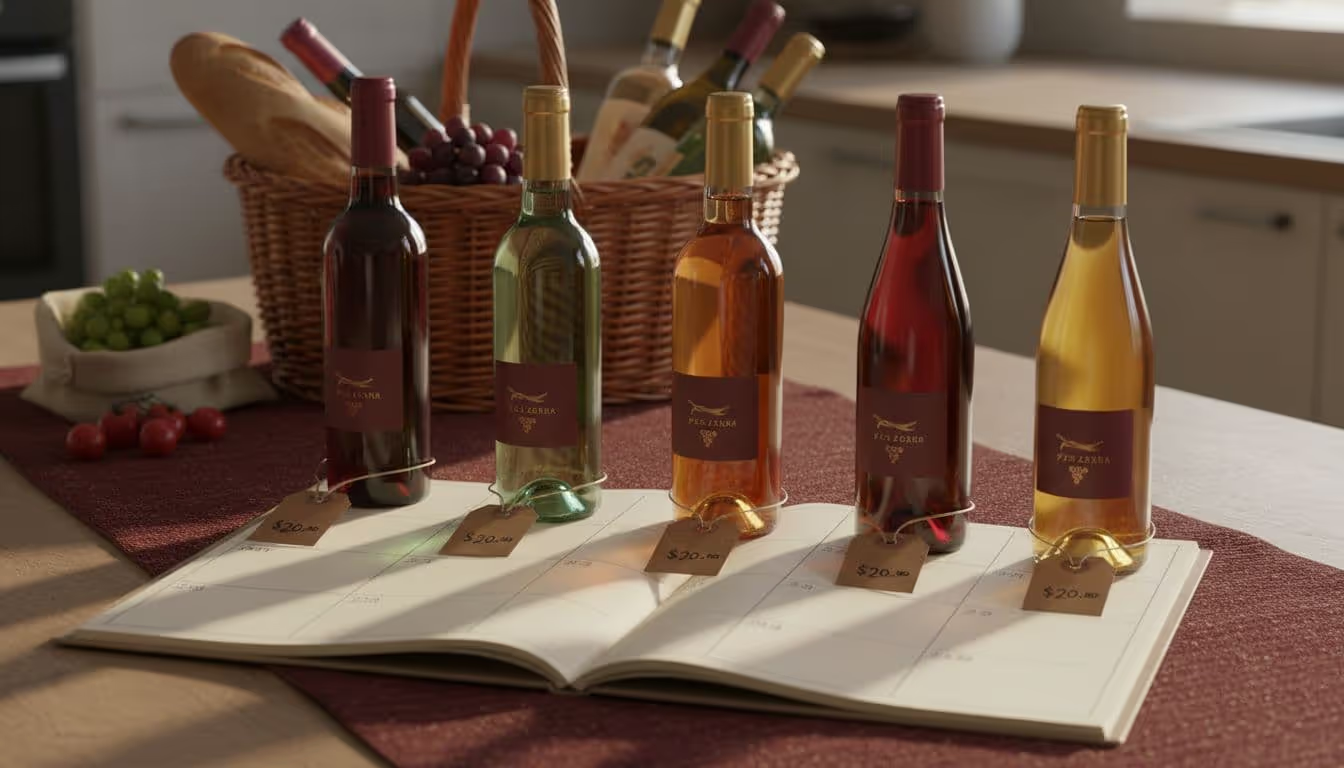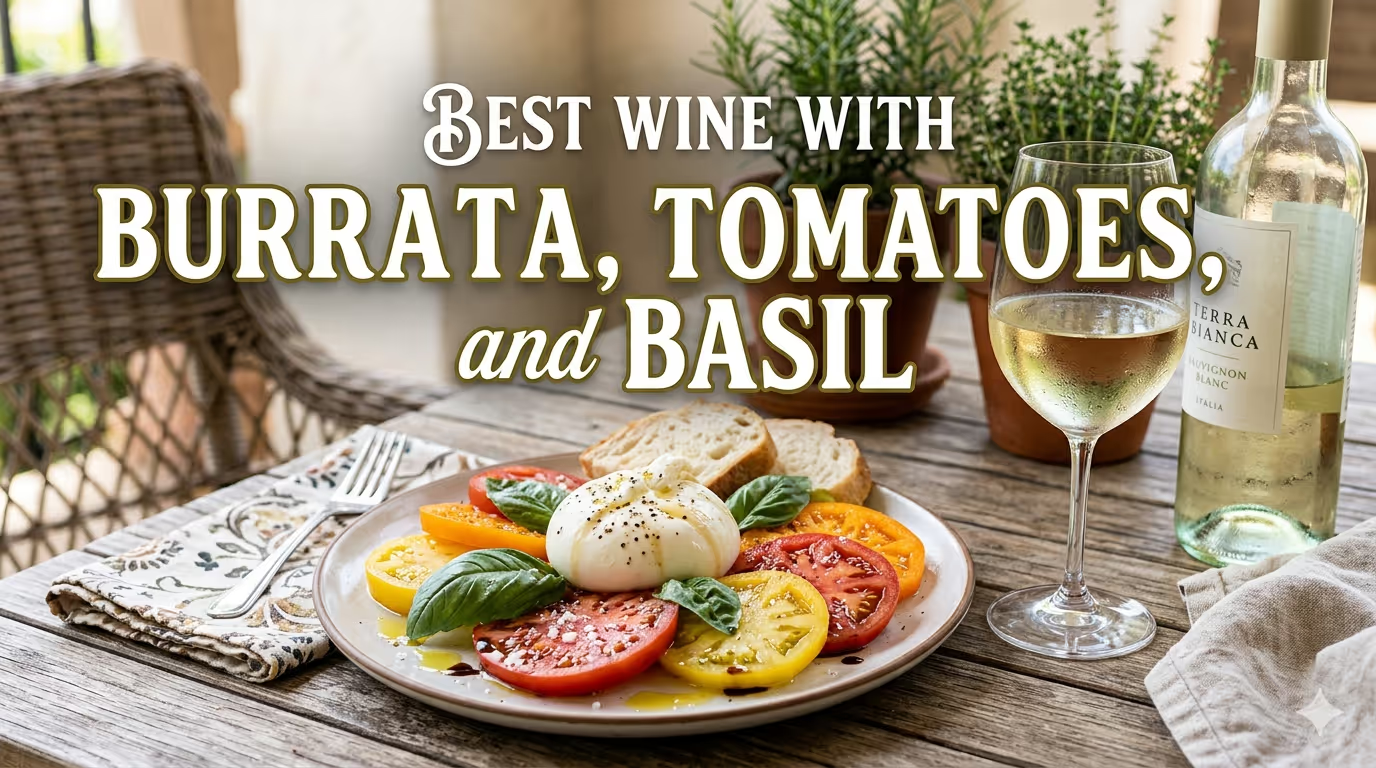


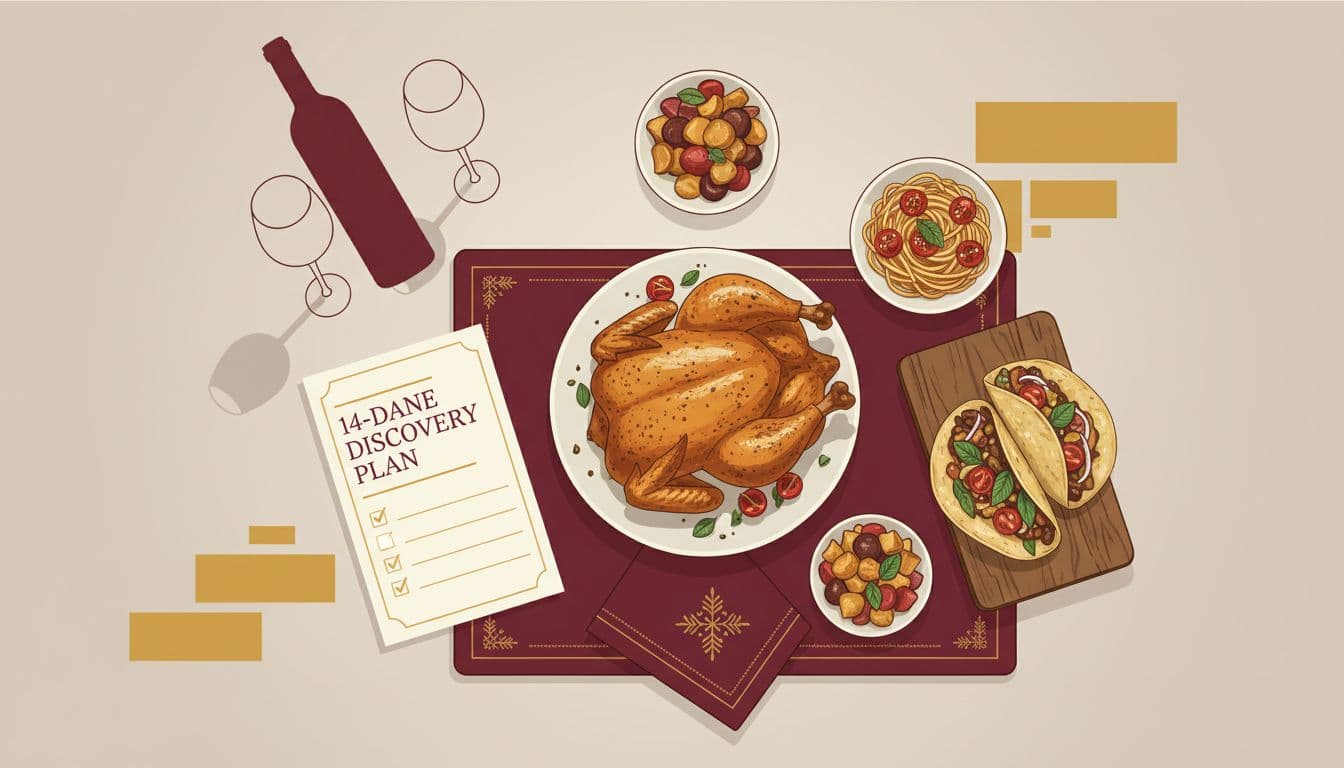
You don’t need more wine facts. You need a plan that helps you pick a bottle on a Tuesday without second-guessing yourself.
This wine discovery plan is simple: match the wine to what you already cook, try one new “style” each night, then log one quick note. Sommy does the heavy lifting with clear wine recommendations based on your taste, budget, and dinner.
Think of it like building a playlist. Two weeks from now, you’ll know your “repeat songs” and what to skip.
What this 14-day plan actually does (and why it works)
Most wine stress comes from one fear: choosing wrong. This plan reduces that pressure by making each bottle a small experiment, not a verdict on your taste.
Here’s the structure:
1) Anchor to your meals. Your dinner decides the direction, not a random bottle label. That’s your built-in wine pairing guide.
2) Rotate a few wine styles. You’re not “studying wine”, you’re sampling a handful of reliable lanes (crisp white, light red, bubbly).
3) Save one sentence per night. That’s your beginner wine guide in real life, not a textbook.
Over 14 days, you’ll build everyday wine advice you can actually use, at home or out.
10-minute setup with Sommy (no wine knowledge required)
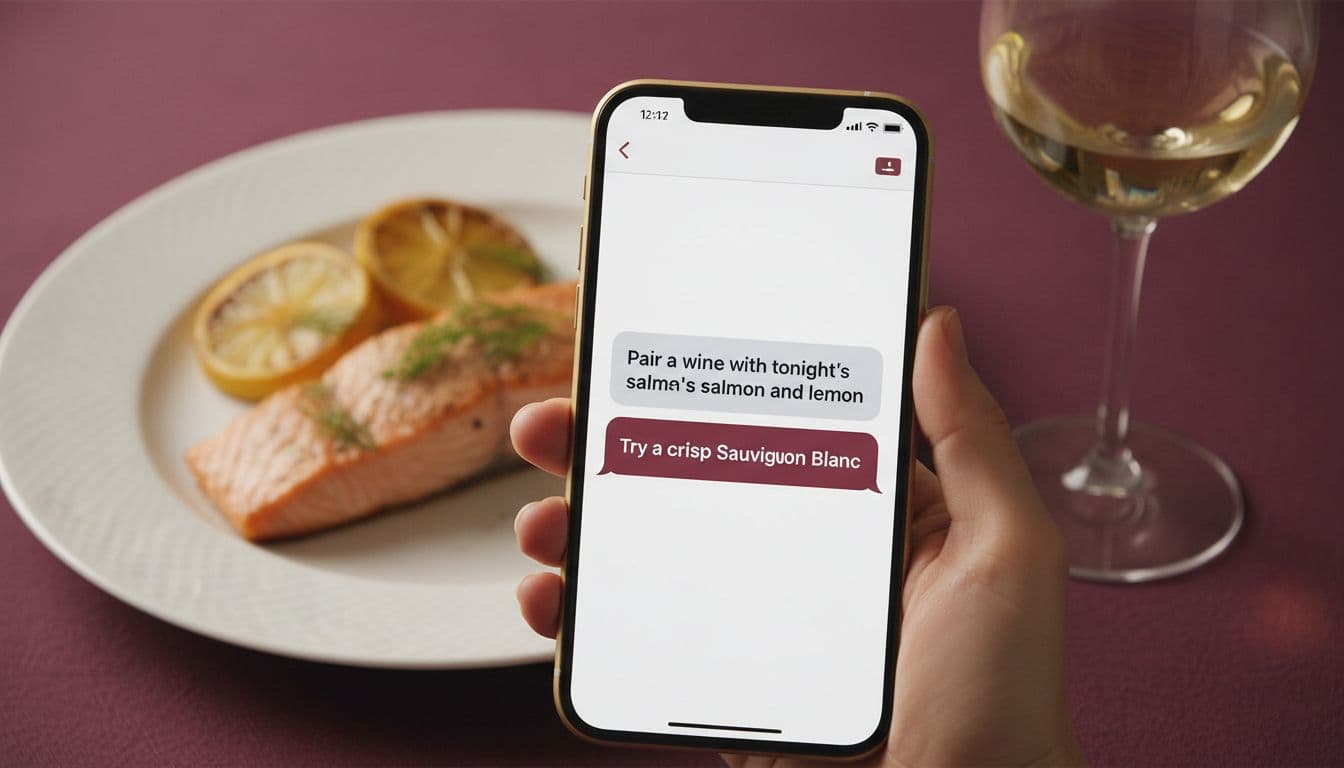
Sommy is an AI wine assistant built for the moment when you’re hungry, tired, and staring at too many choices. It’s wine explained simply: you tell it what you’re eating and what you tend to like, and it gives smart wine recommendations you can act on.
To set up your two-week plan:
- Tell Sommy your “usually” order (red, white, bubbly, or “I don’t know”).
- Share 2 to 3 flavors you like in drinks or foods (citrus, berries, vanilla, smoky, etc.).
- Add a price comfort zone for weeknights.
That’s enough for personalized wine recommendations that feel calm and human. When people ask, “how to choose wine,” this is the shortcut: start from taste and dinner, then let the options narrow.
The 14-day wine discovery plan (tailored to weeknight meals)
Use this as written, or swap in your real dinners. The goal is variety with guardrails, so you end up with smart wine picks you trust.
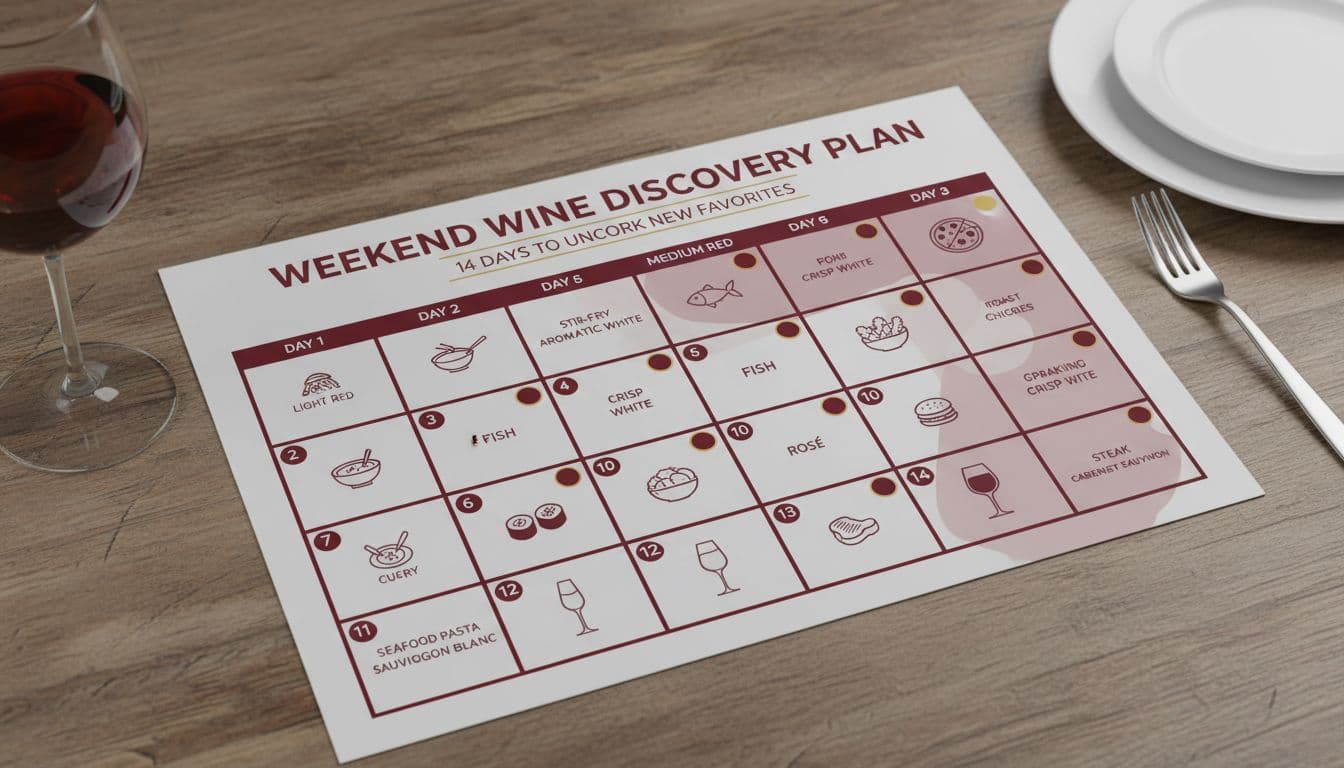
| Day | Weeknight meal | Wine style to try | Ask Sommy this |
|---|---|---|---|
| 1 | Sheet-pan chicken, lemon, herbs | Crisp white | “Keep it bright, not buttery.” |
| 2 | Tacos (chicken or veg) | Dry rosé | “Fresh, not sweet, under $20.” |
| 3 | Salmon, rice, green veg | Crisp white | “No oak, clean finish.” |
| 4 | Veggie stir-fry (soy, ginger) | Aromatic white | “A little fruity, not sugary.” |
| 5 | Pizza night | Light red | “Low tannin so it won’t clash.” |
| 6 | Curry (mild to medium) | Off-dry-ish white | “Spice-friendly, not heavy.” |
| 7 | Sushi or poke | Sparkling | “Dry bubbles, easy to drink.” |
| 8 | Burgers or turkey burgers | Medium red | “Juicy, not too bitter.” |
| 9 | Pasta with tomato sauce | Medium red | “High acid, food-friendly.” |
| 10 | Big salad with chicken | Dry rosé | “Crisp and simple.” |
| 11 | Pork chops, roasted apples | Medium white | “Round but not oaky.” |
| 12 | Shrimp, garlic, chili | Crisp white | “Zesty, citrusy.” |
| 13 | Leftovers or pantry dinner | Sparkling | “Versatile, dry, weeknight.” |
| 14 | Cozy stew or chili | Medium red | “Comforting, smooth tannins.” |
These are wine app suggestions you can follow anywhere, because you’re choosing by style and feel, not memorizing regions.
After each dinner, log one line: “Loved it because…”, “Didn’t love it because…”, or “Would drink again with…”. That’s how personalized wine picks get sharper fast.
If you want a simple reference for food-and-wine basics, Rombauer’s quick guide to pairing wine and food lays out the core idea in plain language.
Grocery store wine picks that don’t waste your time
The wine aisle is designed to make you hesitate. Your goal is to walk in with a short script.
Here are simple wine tips that keep you moving:
Pick the role of the wine first.
Weeknight helper (fresh, easy) or weekend treat (richer, slower).
Match intensity, not perfection.
Light meal equals light wine. Heavier meal equals fuller wine. That’s the whole idea behind most wine recommendations.
Use the “backup bottle” rule.
If you’re trying something new, grab one familiar option too. Zero regret.
When you’re stuck between three labels that all look the same, Sommy can point you to clear wine recommendations in your price range. That’s what a wine app for beginners should do: reduce noise.
Restaurant wine tips and wine list tips (without feeling awkward)
Restaurants add pressure because the decision is public. Here’s beginner-friendly wine advice that works even when you’re tired and hungry.
Choose your comfort lane.
Say: “I want something crisp and dry” or “I want something light and juicy.” This is wine explained simply, and it helps staff help you.
Use the by-the-glass section to test.
One glass can teach you more than a bottle you force yourself to finish.
Order for the food at the table, not the fanciest bottle.
If the table’s eating spicy dishes, heavy reds often taste harsh.
For a specific example of how one dish leads to one easy choice, this pairing story on linguine with clams and Sauvignon Blanc shows the “meal first, wine second” approach in a very normal dinner.
Wine tasting notes explained in one minute (so labels make sense)
Tasting notes can sound like poetry. You don’t need to speak that language. You just need a translation.
Here are simple wine explanations you can use in stores, restaurants, and in Sommy chats:
“Crisp”: tastes fresh, often citrusy, makes food pop.
“Juicy”: fruit-forward, easy red, not too bitter.
“Dry”: not sweet.
“Smooth”: low bite, softer feel.
“Big”: fuller, heavier, can taste warm.
That’s your whole cheat sheet for wine tasting notes explained. It turns labels into signals, not riddles.
Keep the plan flexible (swap rules that still work)
Life happens. Your meals won’t follow a calendar.
Two simple swaps keep your wine discovery plan on track:
If dinner gets lighter, shift toward crisp whites, dry rosé, or sparkling.
If dinner gets heavier, shift toward medium reds or rounder whites.
And if you open something you don’t love, don’t “push through.” Note what bothered you (too sweet, too bitter, too heavy) and move on. That one sentence powers better smart wine recommendations next time.
Conclusion: two weeks from now, choosing feels easy
This plan isn’t about becoming an expert. It’s about making choices without tension, with everyday wine advice that fits your real dinners. After 14 days, you’ll have a short list of go-to styles, plus a few clear “not for me” notes, and that’s freedom.
If you want help choosing wine in the moment, this is exactly what Sommy is for: calm, fast, and built around personalized wine recommendations. Start your next dinner with Sommy at https://www.sommy.ai, and let the plan do the rest.