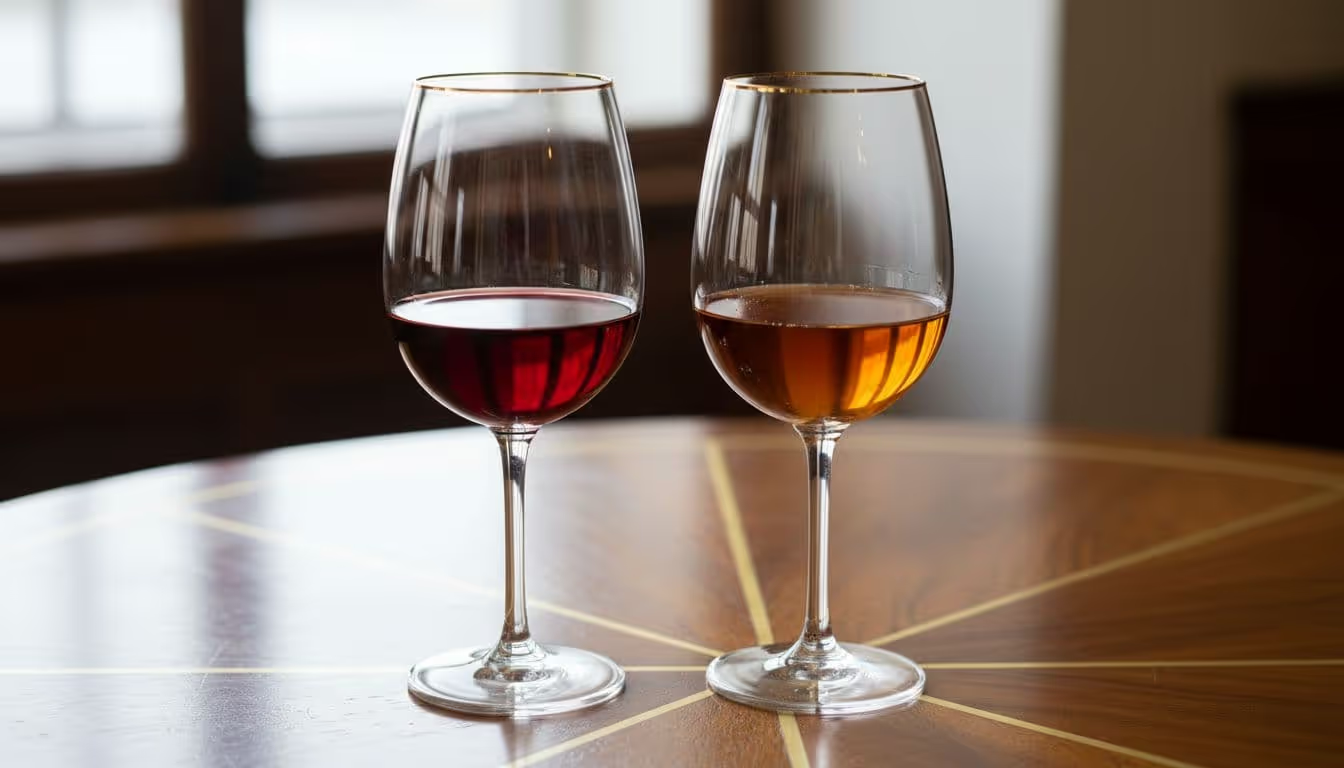

You can spot oxidized wine fast: look at the color, smell the glass, then take one small sip. If it looks browner than expected, smells like bruised apple or nuts, and tastes flat, the bottle has likely had too much air.
A bad glass can make you doubt your own taste. That feeling is normal, whether you're opening a bottle at home or checking a restaurant pour. Keep the check simple, and you'll know what to do before the next sip.
Start with the look in the glass
Oxygen changes wine before it changes your mood. In most everyday bottles, the first clue is color. Fresh red wine usually looks ruby or purple. Oxidized wine often looks brick, tawny, or brown around the rim. Fresh white wine is pale straw or lemon. When it turns deep gold or amber too early, something's off.
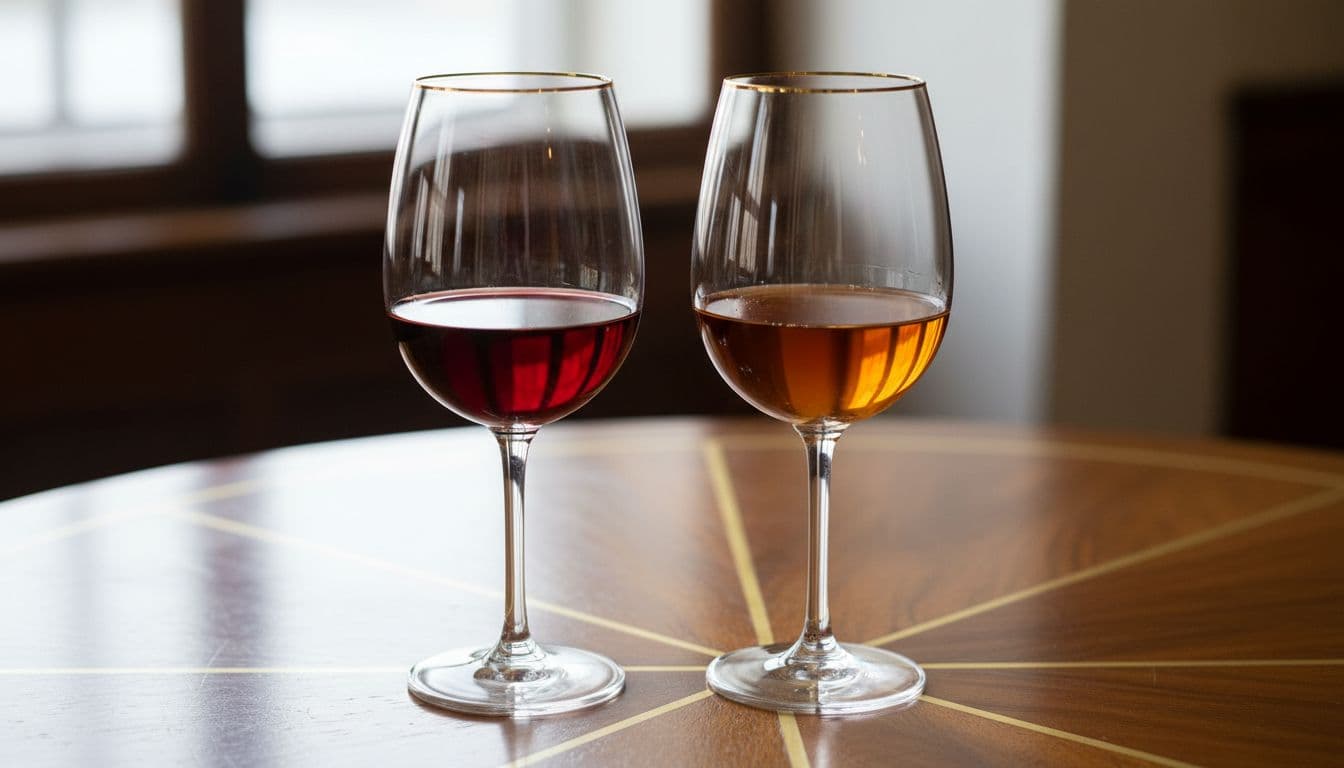
A quick visual check works best with a white napkin or light wall behind the glass. Tilt the wine slightly and look at the edge. That thin rim tells the truth fast.
Use this cheat sheet when you need a fast call:
| Check | Fresh wine | Oxidized wine |
|---|---|---|
| Red color | Ruby, purple, bright | Brick, tawny, brown edge |
| White color | Pale straw, lemon | Deep gold, amber, brown tint |
| Aroma | Fruit, flowers, spice | Bruised apple, nuts, stale cider |
| Taste | Lively, clean finish | Flat, tired, sometimes bitter |
Color alone isn't the full answer. Older wines can darken with age, and a few styles are meant to taste more oxidative. Still, most casual reds and whites shouldn't look tired right after opening. For a broader explanation of faults beyond oxidation, see this guide to common wine faults.
Oxidized wine usually shows more than one clue at once, which is why the 30-second check works so well.
Smell first, sip second
The nose often confirms what the eye suspects. Fresh wine smells alive. Fruit should still feel present, even if the wine is dry. When oxygen has taken over, the aromas shift toward bruised apple, nuts, stale cider, or a sherry-like note that feels worn out instead of fresh.
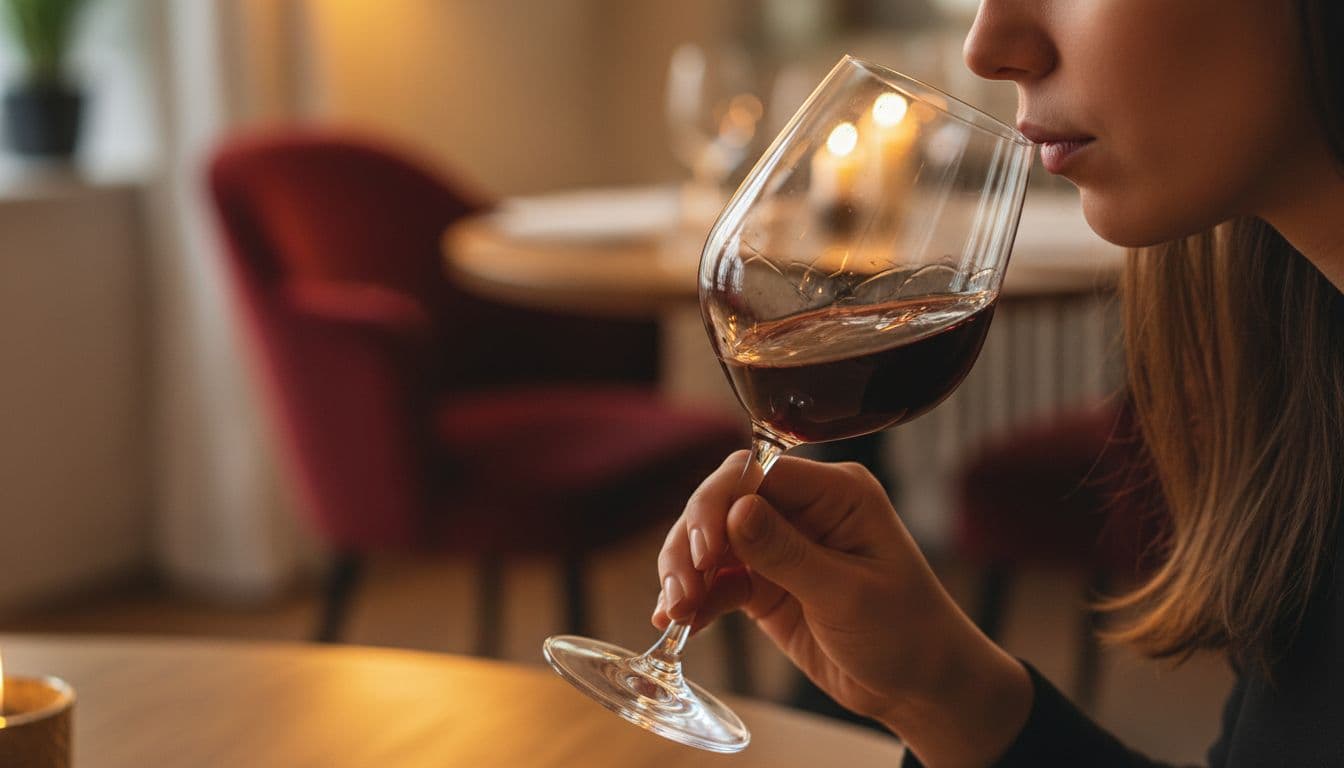
Swirl once, then smell twice. The first smell catches the broad shape. The second smell tells you whether the fruit opens up or disappears. If the glass keeps giving you browned fruit and old nut notes, trust that signal.
Taste is the last check, not the first. Oxidized wine often feels dull on the tongue. The fruit drops away, the finish gets short, and a sour or bitter edge may hang on. A wine can be dry and still feel fresh. A flat wine with no lift is where trouble starts.
Among the best restaurant wine tips and wine list tips, one matters most here: if the sample pour smells tired, say so politely and ask for another bottle. Good restaurants expect that. At home, the same rule applies. If two of the three checks fail, you don't need to keep convincing yourself. For another plain-English take, EverWonderWine has a useful guide on how to tell if your wine is oxidized.
Simple wine tips beat jargon in moments like this. Friendly wine advice works better than theory, because the goal is to enjoy the glass in front of you.
Know what to do next, and avoid the next bad bottle
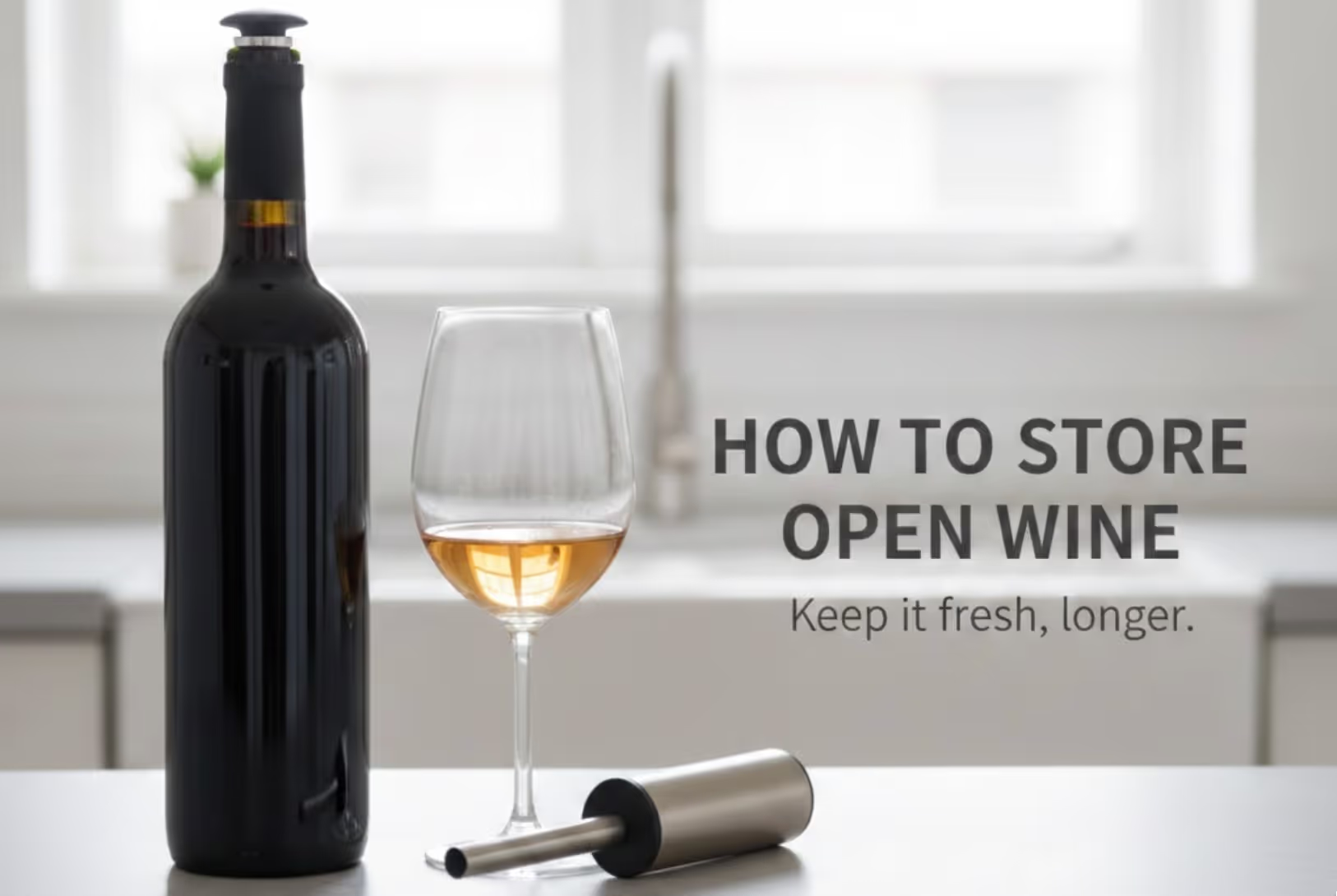
Most oxidized wine isn't dangerous. It just won't taste good. If the bottle was open for a day or two, the cause is usually normal air exposure. Recorking it, chilling it, and finishing it sooner helps. Light whites and sparkling wines fade fastest. Bigger reds last a bit longer, but they don't last forever.
When you're buying bottles, a few habits help. Check fill levels, avoid seepage around the cork, and skip bottles sitting in hot light. Those checks matter when making grocery store wine picks, and they matter as much as price. If labels confuse you, you can decode wine labels for confident choices before your next trip.
Keep the rule simple
Bad bottles create a second problem: they shake your confidence. Suddenly every wine guide feels noisy, and every choice feels like a test. You don't need more theory. You need wine explained simply, with simple wine explanations that help in real life. Good wine recommendations, clear wine recommendations, and everyday wine advice should make how to choose wine feel easy, whether you need a quick wine pairing guide or calmer restaurant wine tips.
Sommy fits that moment well. It's an AI wine assistant built for people who want a modern wine guide, not a lecture. You get wine tasting notes explained in plain words, plus smart wine recommendations, personalized wine picks, personalized wine recommendations, smart wine picks, and practical wine app suggestions based on your taste, budget, and meal. If you want help choosing wine in the moment, start with how to pick wine you'll love, then keep the 30-second oxidation check in your back pocket.