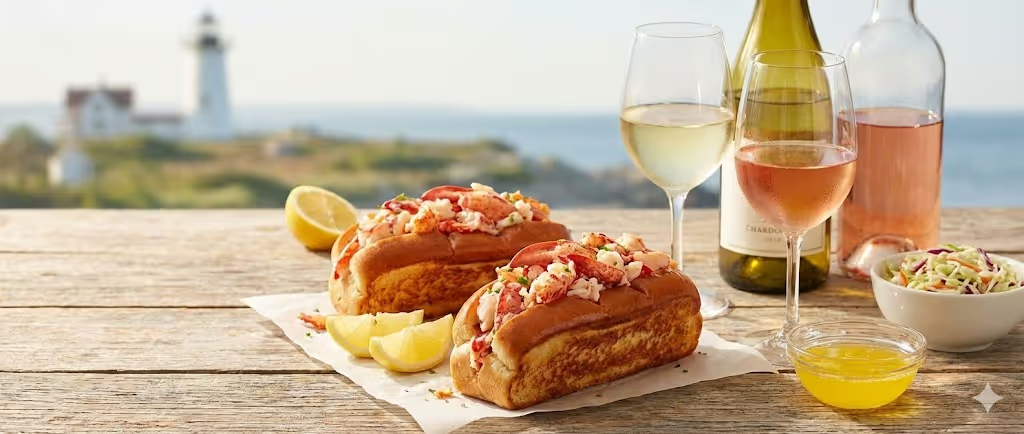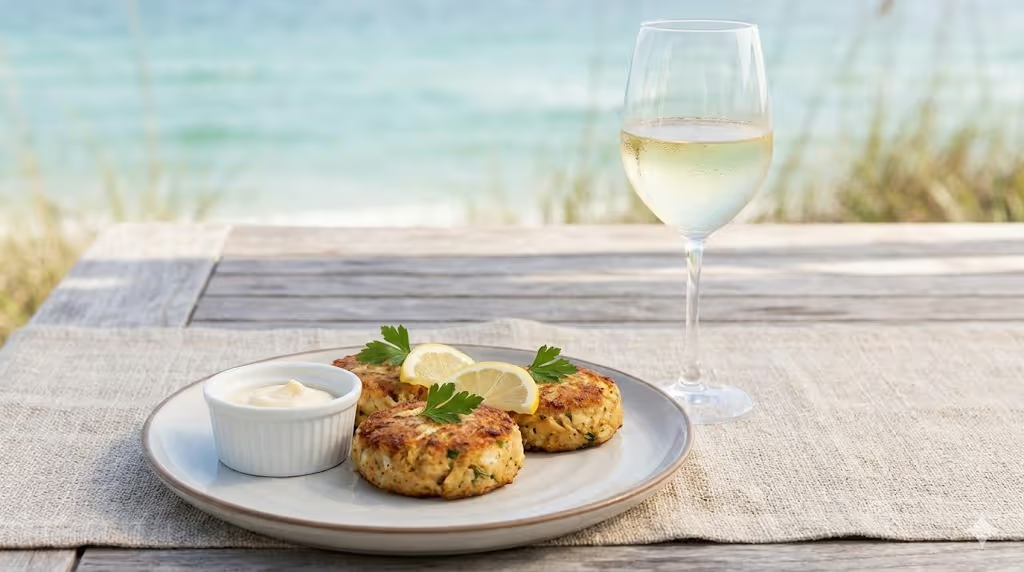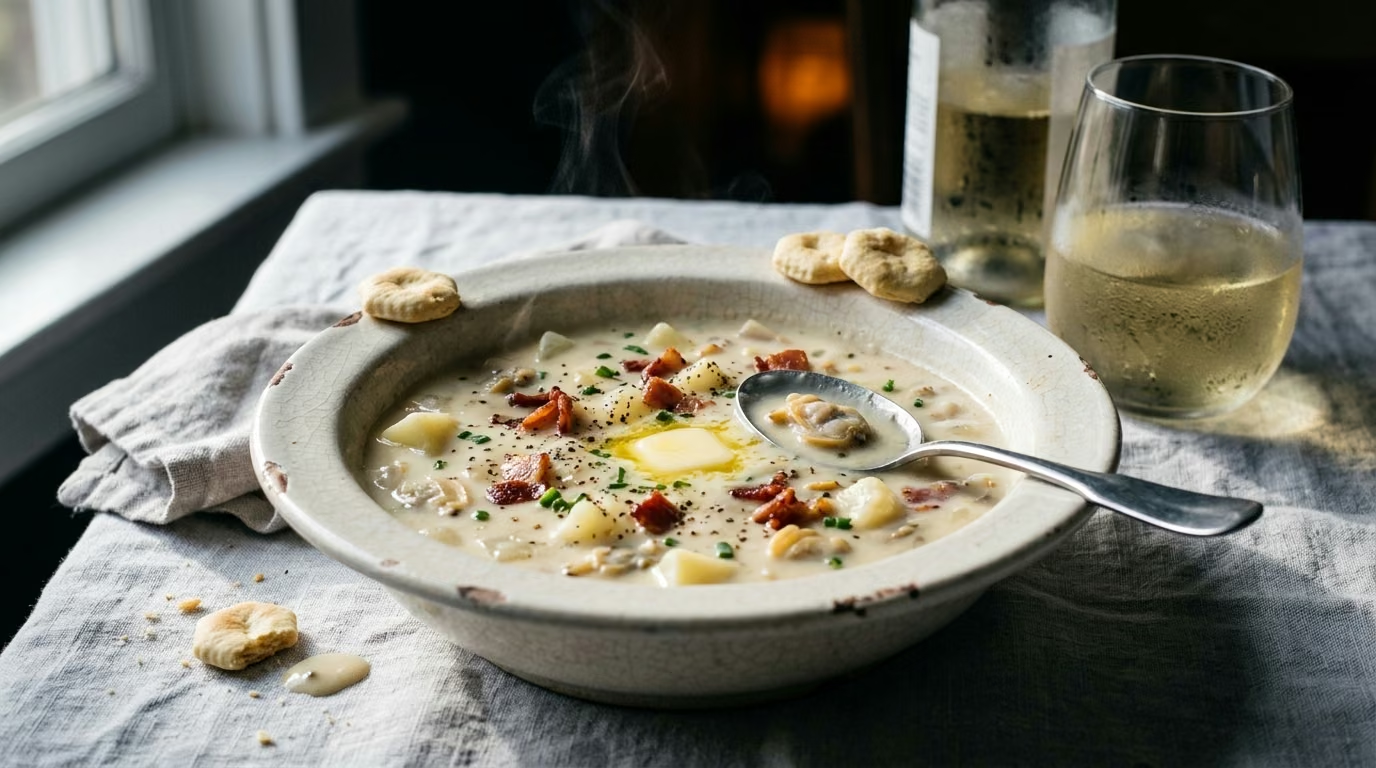
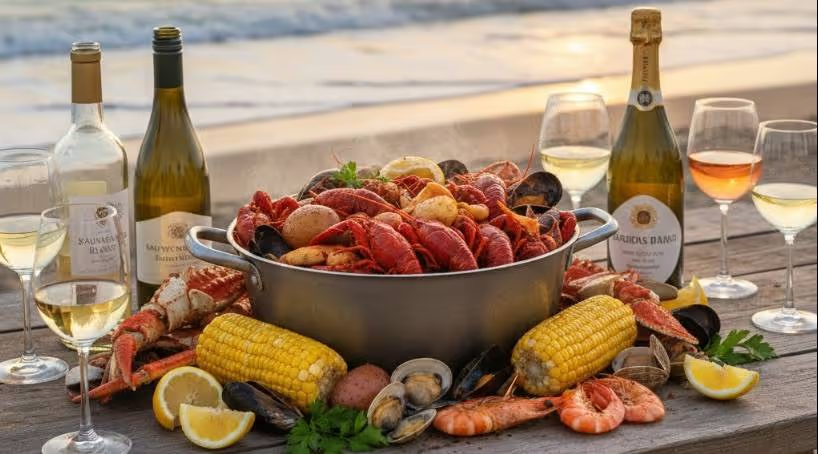

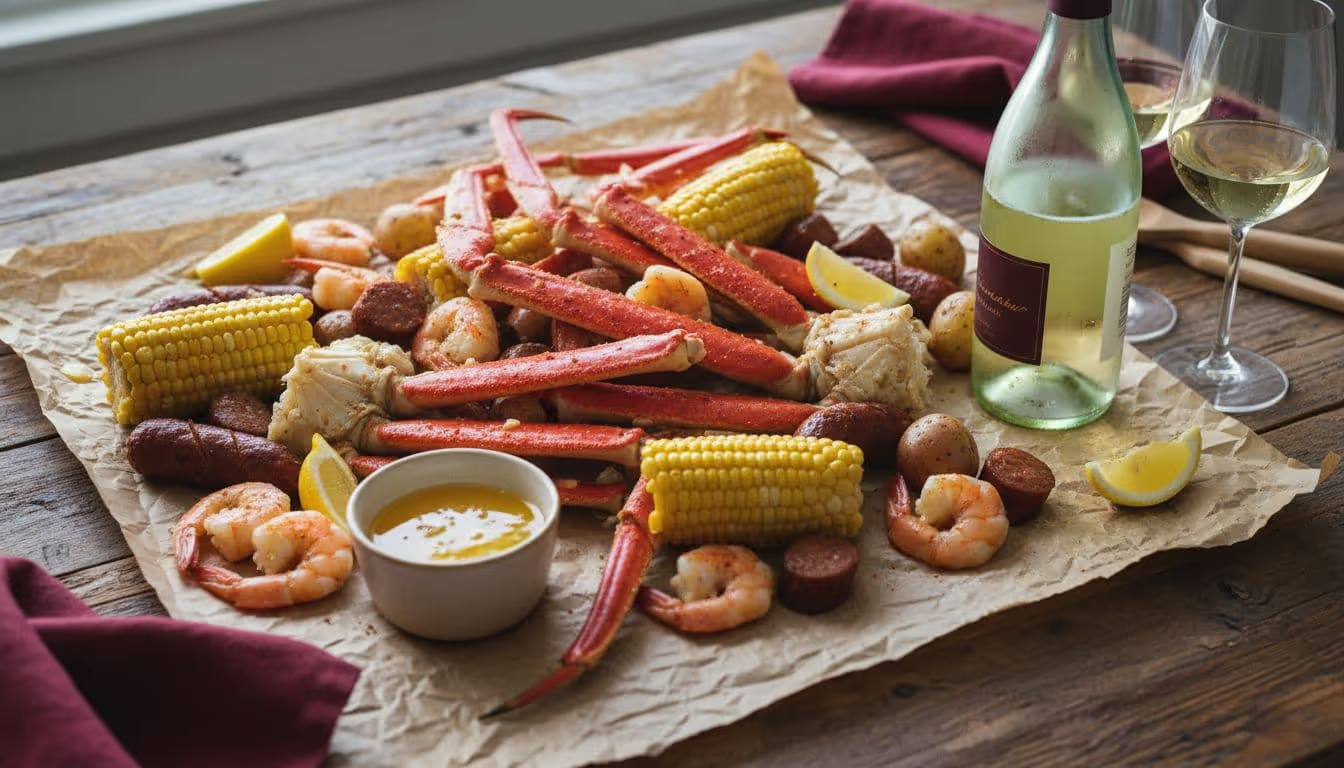
A seafood boil wine decision is mostly about one thing: picking a wine that can handle Old Bay, butter, lemon, and heat without tasting flat or bitter. The safest move is simple, go crisp, high-acid, and chilled, or go bubbly.
If you’re hosting and want one bottle that makes everyone relax, buy sparkling brut (or brut rosé). It plays nice with spice, cuts butter, and stays refreshing through the whole messy, happy meal.
What follows is a calm, no-snob wine pairing guide you can use in the aisle or on a menu.
The 4-step shortcut for seafood boil wine
This is the “don’t overthink it” method for how to choose wine when the table is covered in shells and melted butter.
- Follow the strongest flavor, not the fanciest seafood. Seasoning and sauce drive the pairing.
- Choose zing over weight. Think “refreshing” first, “rich” second.
- Avoid big, dry reds. Tannins plus spice plus shellfish can taste metallic.
- When in doubt, pick bubbles. Sparkling wine is a reset button.
These are the kind of simple wine tips that work even if you don’t know grapes, regions, or any wine words.
Pair by flavor, not by seafood type
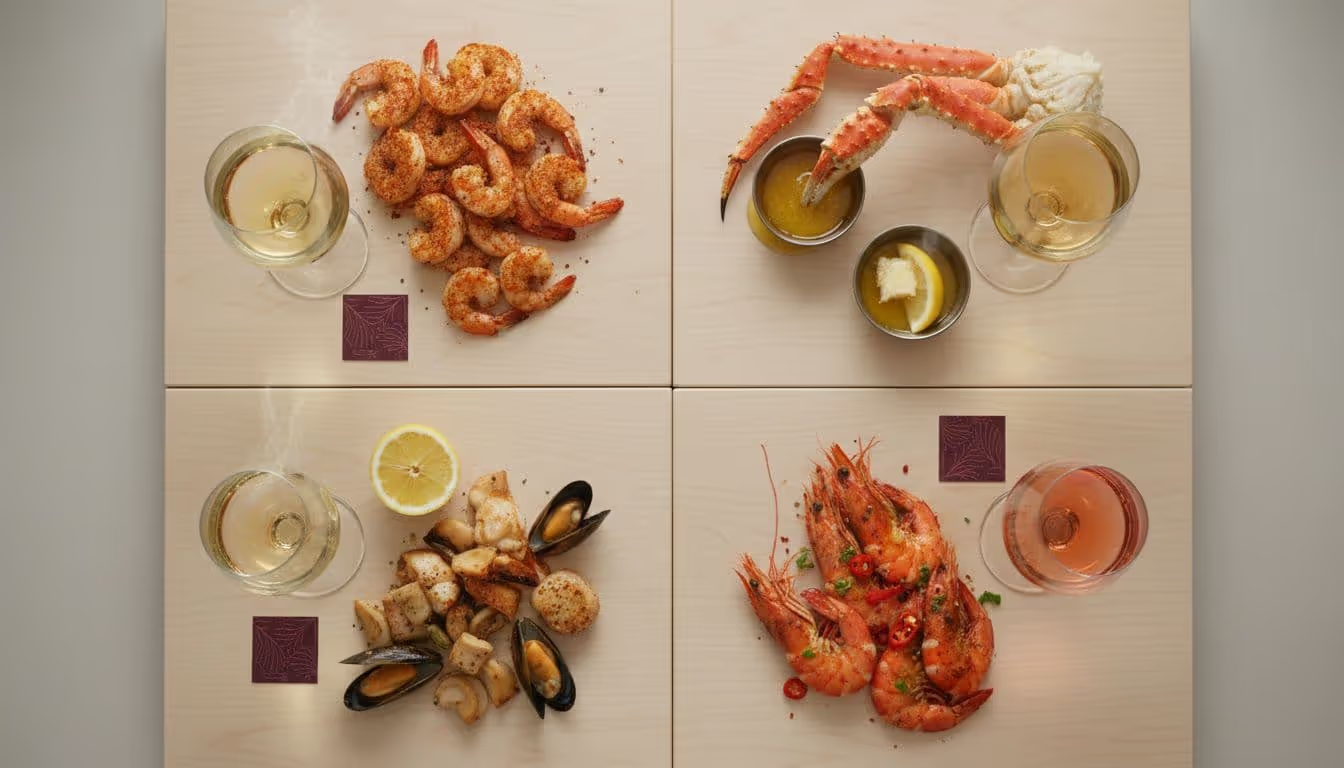
A boil is a loud party of flavors. So instead of trying to “pair shrimp” or “pair crab,” match what’s actually on your fingers: Old Bay dust, butter gloss, lemon drip, and a little fire.
(If you’re building your menu, a Cajun-style pot like this Cajun seafood boil with garlic butter sauce shows why sauce and spice set the rules.)
Old Bay and seasoning: go crisp and citrusy
Old Bay has salt, herbs, and warm spice. It wants a wine that tastes like a squeeze of lemon feels.
Easy picks
- Sauvignon Blanc (dry): bright, clean, and sharp in a good way.
- Albariño (dry): sea-breeze vibe, great with shrimp and crab.
If you’ve ever wondered about wine tasting notes explained, here’s the only part you need: when people say “acidity,” they mean mouth-watering freshness, like biting into a crisp apple. That’s what keeps Old Bay from taking over.
Butter and garlic: go smoother, still not heavy
Butter is rich, and it coats your tongue. You want a wine with enough zip to cut through it, but not so sharp that it feels thin.
Easy picks
- Chardonnay, but not too oaky: look for bottles that say “unoaked” or “stainless steel” if you want it cleaner.
- White Rhône blend (if you spot one): often soft, food-friendly, and easy.
For a quick gut-check on buttery seafood pairings, this guide on pairing lobster and wine is a helpful reference point, since lobster and drawn butter behave a lot like crab plus garlic butter.
Lemon: go bright, dry, and refreshing
Lemon is the bossiest ingredient at the table. If the wine is too soft, lemon makes it taste dull.
Easy picks
- Pinot Grigio (dry): light, simple, doesn’t fight the food.
- Vermentino (dry): refreshing with a savory edge that works with shellfish.
This is wine explained simply: lemon raises the bar for freshness. Meet it with a wine that already tastes lively.
Heat (Cajun spice, hot sauce, chili flakes): go lower alcohol or slightly off-dry
Spice turns up the volume of alcohol. That “warmth” in wine can feel like extra heat.
Easy picks
- Riesling (off-dry): a little sweetness can calm spice, and it still tastes bright.
- Dry rosé: cool, refreshing, and flexible across the whole spread.
If you want more ideas for spicy boils, this list of wines to pair with a seafood boil is useful for seeing how often crisp whites and rosés show up in real-life wine recommendations.
One bottle that works for everyone: sparkling brut (or brut rosé)

If you’re trying to please the whole table, pick sparkling brut (or brut rosé). It’s dry, bright, and it cleans up butter like a fresh wave hitting the shore.
Why it works:
- Bubbles cut richness, so butter feels lighter.
- High acidity handles lemon without going sour.
- Chill and fizz calm spice, especially compared to a warm, high-alcohol red.
This is the bottle you open when you want peace at the table, and you don’t want a debate.
Grocery store and restaurant shortcuts (no wine homework)
This section is your beginner wine guide for the aisle and the menu, built for speed.
Grocery store wine picks
- If you see “brut,” you’re usually safe. If you see “sweet” or “demi-sec,” it’ll taste noticeably sweeter.
- For whites, “dry” plus “crisp” is the vibe you want. If you hate sharp wines, choose something labeled “round” or “soft.”
- If the boil is spicy, aim for lower alcohol when you can, it keeps the burn from stacking.
Restaurant wine tips and wine list tips
- Ask for “a crisp dry white” or “a brut sparkling that isn’t too yeasty.” That’s enough.
- If the list is short, pick the wine that sounds most refreshing. A seafood boil is messy and salty; refreshment wins.
- If you’re splitting bottles, get one crisp white and one bubbly. That covers almost everyone without stress.
These are beginner-friendly wine advice moves that keep you out of the weeds.
Want the decision done in 10 seconds?
Some nights you want clear wine recommendations, not a lecture. That’s where an AI wine assistant helps.
Sommy is built for in-the-moment choices: snap a label, scan a list, or type/speak “seafood boil, Old Bay, garlic butter, medium spicy.” It can turn that into smart wine recommendations and personalized wine picks based on what you actually like. Think wine app suggestions that feel like everyday wine advice, not a test.
If you want a wine app for beginners, use it like a quiet friend in your pocket: quick, calm, and specific. It’s a modern wine guide that gives simple wine explanations, plus smart wine picks and personalized wine recommendations without the pressure.
Conclusion: the calm way to pick seafood boil wine
For seafood boil wine, choose for the seasoning and sauce first, then keep the wine crisp, chilled, and easy. Pick a bright white for Old Bay and lemon, go smoother for butter, and lean slightly off-dry or rosé when heat shows up.
When you need one bottle for everyone, open sparkling brut and let the table relax. The best pairing is the one that makes you feel confident enough to pour, eat, and enjoy.