
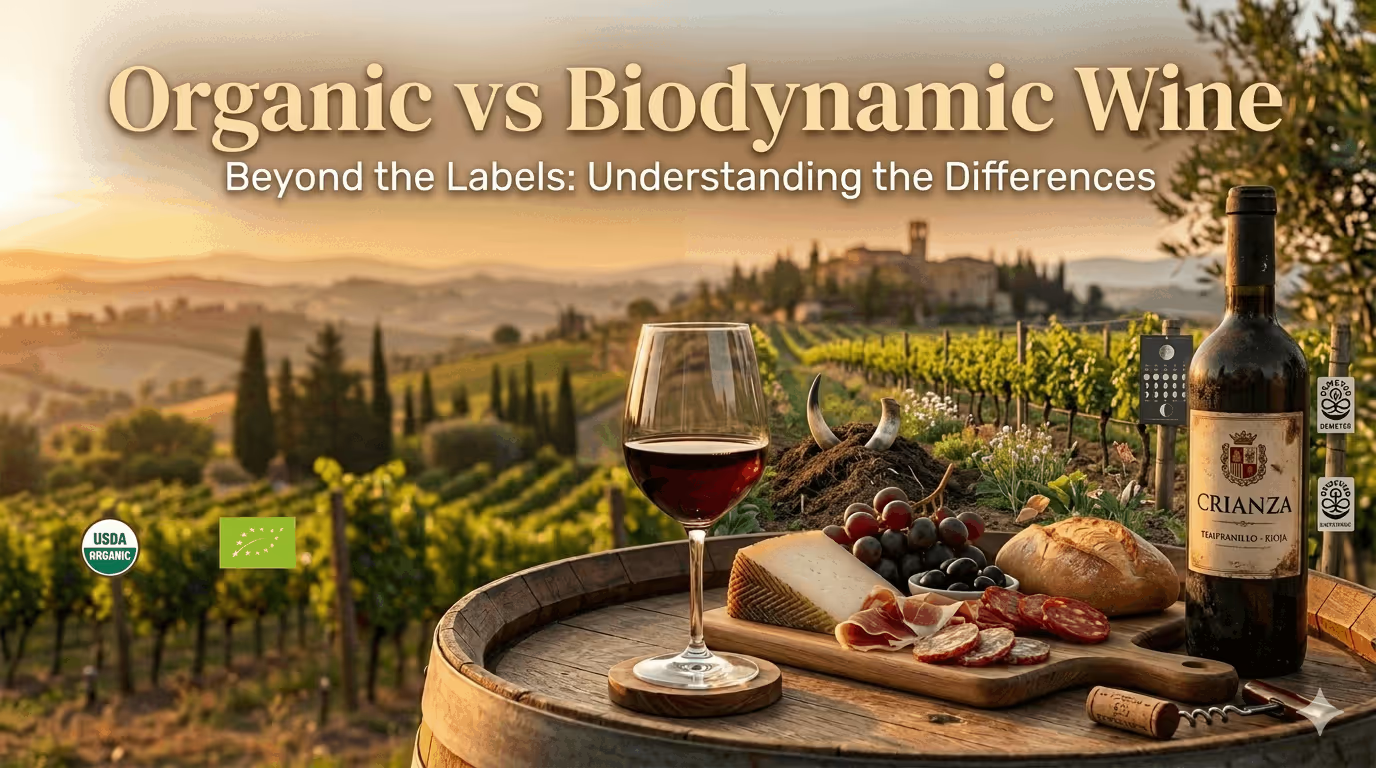

You see two bottles, one says organic, the other biodynamic, sparking the classic organic vs biodynamic wine debate, and both sound more serious than a Tuesday night needs. The short answer is simple: organic wine follows farming rules that avoid synthetic chemicals, while biodynamic wine starts there and adds a wider farm philosophy. Both categories fall under the umbrella of sustainable wine and often overlap with natural wine movements.
That difference matters, but not in the way many labels suggest. If you're trying to learn how to choose wine, the label is useful context, not a promise that you'll love the taste. A few simple clues can make the choice feel much easier.
Key Takeaways
- Organic wine skips synthetic pesticides and chemical fertilizers in the vineyard, focusing on clean farming inputs—simple and straightforward.
- Biodynamic wine builds on organic with a holistic farm philosophy, like lunar cycles, cow horn compost, and biodiversity for a living ecosystem.
- Labels tell you about the process, not the taste; grape variety, producer, and style matter more for flavor.
- Shop smart: match to your taste, meal, and budget first, then use farming labels like organic or biodynamic as helpful tie-breakers.
- Both promote sustainable wine, overlap with natural wine, and avoid GMOs—no label guarantees you'll love every sip.
Organic and biodynamic in plain English
Organic wine begins in the vineyard. Growers of organic wine strictly avoid synthetic pesticides, herbicides, and chemical fertilizers. In the US, the label can get tricky later, because farming rules and winemaking rules are not always the same.
Biodynamic wine goes a step further. Founded by Rudolf Steiner, biodynamic wine treats the vineyard like a living ecosystem, not a crop factory. This holistic approach prioritizes biodiversity and soil health through methods like following lunar cycles for harvesting and planting, and burying a cow horn filled with compost. Farmers may use compost preparations, animals for animal welfare, cover crops, and a strict farming calendar to support ecosystem preservation. A helpful overview of organic and biodynamic wine explains the broad difference well.
A quick side-by-side view makes the point clearer:
| Label | Usually means | What it does not mean |
|---|---|---|
| Organic | Grapes were grown without synthetic chemicals | Better taste in every bottle |
| Biodynamic | Organic farming plus whole-farm methods and added standards | More expensive for a good reason every time |
The biggest idea in the organic vs biodynamic wine question is simple. Organic wine focuses on what growers avoid, like synthetic pesticides and chemical fertilizers. Biodynamic wine also focuses on how the whole farm works together to enhance soil health.
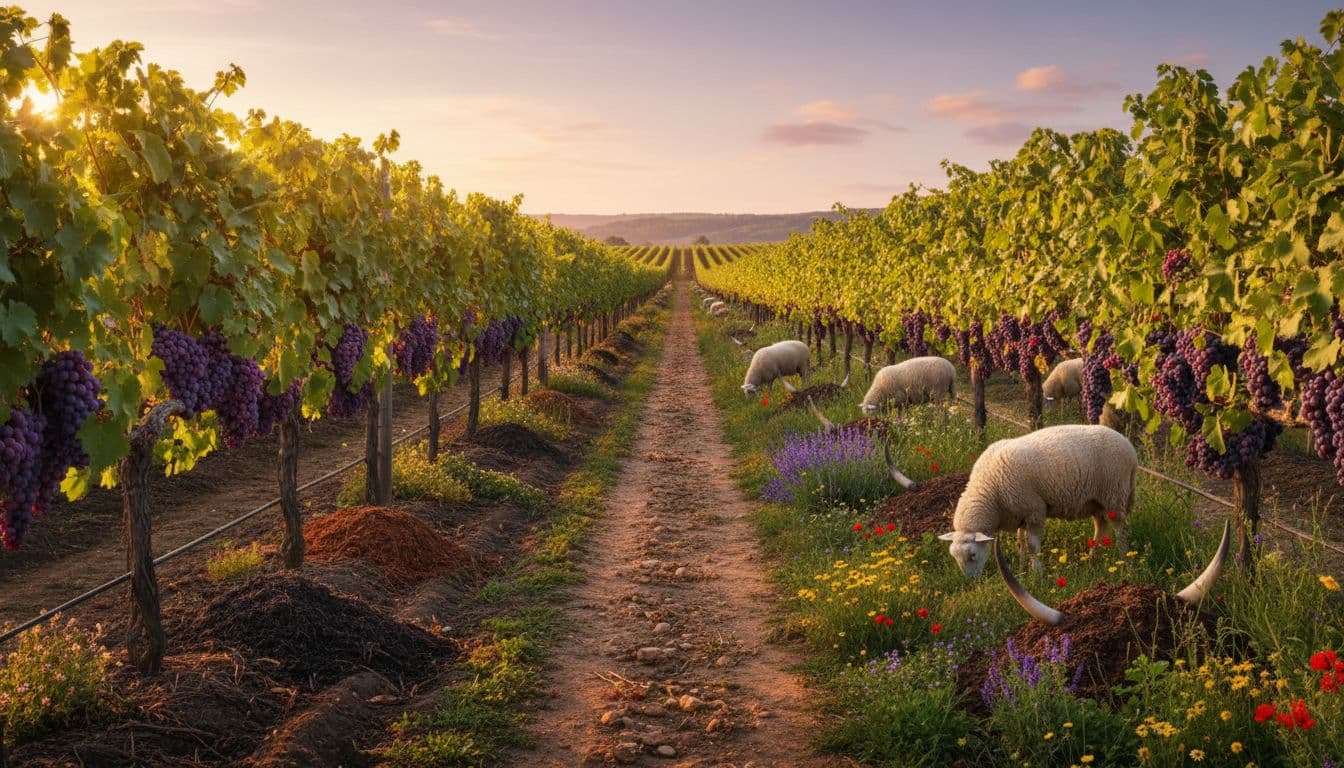
Organic tells you about farming inputs. Biodynamic adds a broader farming system.
Taste can overlap more than people expect. A fresh, clean organic wine red and a fresh, clean biodynamic wine red may feel nearly identical in the glass. Grape type, climate, producer style, and age of the bottle still matter more to flavor.
So if you want wine explained simply, keep one thought in mind: the farming label tells you how the wine was made, not whether it matches your dinner or your taste.
What the label tells you, and what it doesn't
Labels can calm you down, but they can also cause confusion. In the US, "organic wine" with the USDA Organic seal and "wine made from organic grapes" are not the same thing. USDA Organic organic wine cannot have added sulfites, though some naturally occurring sulfur dioxide is always present. The second phrase often allows added sulfites, while certified organic wine has tighter rules that align differently from European Union regulations. For a clear look at that distinction, see this guide to organic wine labeling in the US.
Biodynamic wine certification usually comes from Demeter certification or Biodyvin, the primary governing bodies. That seal means the producer followed a stricter set of vineyard and winery standards, and both organic and biodynamic wine standards strictly prohibit GMOs. Still, certification is not a quality score. A bottle of biodynamic wine can be certified and still miss your taste.
That matters because many buyers confuse farming with flavor. You don't need wine tasting notes explained in long, expert language to shop well. You only need to know what the label can and can't tell you.

A useful label tells you something real about process. It does not tell you whether the wine is fruity or earthy, light or bold, soft or sharp. For that, you still need a little context, a recommendation you trust, or your own past preferences.
So treat these terms like signposts. They help. They don't finish the job for you.
How to choose in a store or restaurant
When you need quick answers, use a small framework:
- Start with what you like. If you usually want bright, crisp whites or soft, smooth reds, begin there.
- Check the farming label next. Pick organic wine or biodynamic wine if that matters to you, and consider their winemaking practices. Natural wine or low-intervention styles often use native yeast for fermentation rather than lab-grown strains.
- Match the bottle to the meal. A basic wine pairing guide is more useful than a fancy back label.
- Set a price cap before you browse. Decision stress drops fast when the range is smaller.
Those same steps work for restaurant wine tips, grocery store wine picks, and fast wine list tips when the server is standing nearby. Biodynamic wine producers often aim to express terroir more purely, while zero-zero wine offers the most extreme take on sustainable wine. If you need more help with pairing, Sommy's easy wine pairing rules keep the focus on food, not jargon. If you're still unsure in the aisle, how to pick wine you'll love is a practical wine guide built around taste, occasion, and budget.

A useful shortcut is to treat organic wine and biodynamic wine as tie-breakers, especially when comparing winemaking practices like those in natural wine, which skips added yeasts during fermentation. Those seeking vegan wine should look for labels that avoid animal-based fining agents. If two bottles fit your taste and budget, choose the farming approach you prefer. If one bottle sounds perfect for dinner and the other only has the nicer farming story, buy the better fit for the meal. For sustainable wine fans, these details make selection even easier.
For people who want simple wine tips and friendly wine advice, Sommy works like an AI wine assistant. It offers clear wine recommendations, personalized wine picks, and smart wine recommendations based on your taste, budget, food, and preferred winemaking practices. That makes it a modern wine guide with simple wine explanations for real moments. Instead of generic wine recommendations, you get personalized wine recommendations, smart wine picks, and useful wine app suggestions when time is short. Good wine help should feel like everyday wine advice, not a lecture.
Frequently Asked Questions
What's the main difference between organic and biodynamic wine?
Organic wine means grapes grown without synthetic pesticides, herbicides, or chemical fertilizers. Biodynamic wine starts there but adds a whole-farm approach with practices like lunar calendars, compost preparations, and biodiversity focus for better soil health. Both are sustainable, but biodynamic feels more like treating the farm as a living organism.
Do organic or biodynamic labels mean better taste?
No, these labels describe farming and winemaking processes, not flavor. Taste comes more from grape type, climate, producer style, and bottle age—a great conventional wine can outshine a poorly made biodynamic one. Use labels for values like sustainability, but trust your preferences for enjoyment.
What's the deal with US organic wine labeling?
"USDA Organic wine" means no added sulfites and strict rules from farm to bottle, while "made with organic grapes" allows added sulfites in winemaking. It's stricter than some EU rules. Always check the seal for what it really covers.
How do I choose organic vs biodynamic wine in a store?
Start with wines matching your taste (crisp white? bold red?), then check labels if sustainability matters. Consider budget and meal pairing next—farming is a tie-breaker, not the decider. Biodynamic often highlights terroir, but pick what fits your moment.
Are organic/biodynamic wines the same as natural wine?
They overlap but aren't identical—natural wine emphasizes minimal intervention like native yeasts and low sulfites. Organic and biodynamic focus on farming standards first. Many natural wines are organic or biodynamic, but check labels for your priorities.
Conclusion
The choice between organic vs biodynamic wine comes down to selecting a sustainable wine path that aligns with your values. Organic wine emphasizes the purity of inputs with chemical-free farming, while biodynamic wine focuses on the vitality of the entire farm system and stricter practices.
Better wine choices come from matching the bottle to your taste, meal, and budget. If you want help choosing wine in the moment, Sommy can offer clear wine recommendations without making you study first. A calm choice is often the right one.