
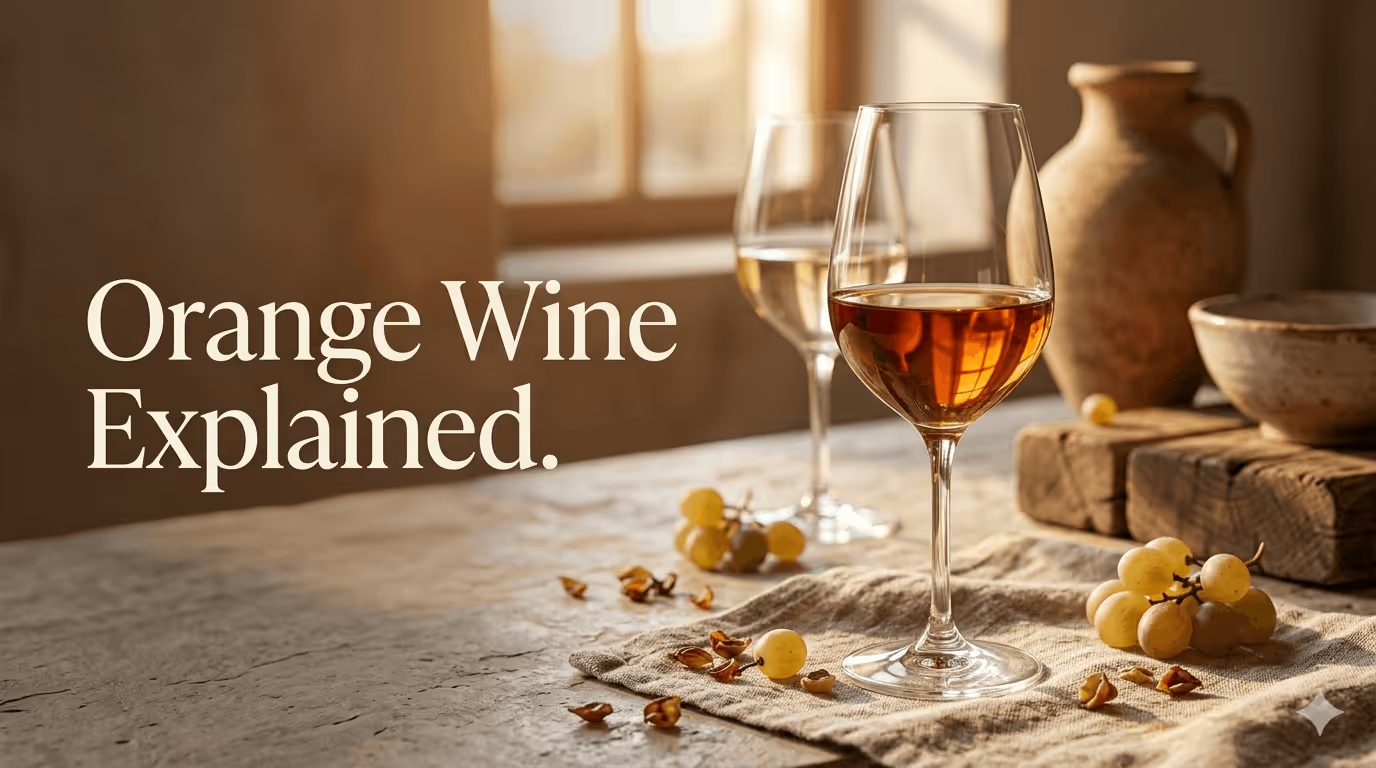

Orange wine sounds strange at first, but the short answer is simple: it's white wine made with grape skins left in the juice, which gives it more color, texture, and grip. If you like dry wines with a little bite, earthy flavors, or food-friendly character, you might love it.
For many people, the hard part isn't the wine itself. It's the fear of choosing wrong at a restaurant or staring at a shelf with no clue where to start. Orange wine feels less mysterious once you know what creates its taste.
What orange wine actually is
Orange wine is not made from oranges. It usually starts with white grapes.
Most white wine is pressed, then the skins are removed right away. Orange wine takes the opposite path. The juice stays in contact with the skins for days, weeks, or longer. Red wine gets structure from skin contact, and orange wine borrows that idea, even though the grapes are white.
Orange wine is white wine made more like red wine.
That extra time with the skins changes more than color. It can add tannin, which is the light drying feel you notice in black tea. It can also add savory flavors and a deeper, coppery look in the glass.
The style is old, not trendy. Georgia has a long history of making wine in clay vessels called qvevri, and UNESCO's qvevri wine-making entry gives useful context on that tradition. If you want a quick background on the term itself, Wikipedia's orange wine entry is a simple reference point.
A quick comparison makes the style easier to place:
| Wine style | Skin contact | Usual feel | Common flavor vibe |
|---|---|---|---|
| White wine | Little to none | Crisp, clean | Citrus, apple, flowers |
| Rosé | Brief contact with red skins | Fresh, dry | Berry, melon, herbs |
| Orange wine | Longer contact with white skins | Grippy, layered | Tea, peel, dried fruit, nuts |
So, orange wine isn't a novelty category. It's a winemaking choice, and that choice shapes texture as much as taste.
What orange wine tastes like, in plain English
Many people want wine tasting notes explained without a wall of jargon. Orange wine often tastes like dried apricot, orange peel, black tea, bruised apple, herbs, nuts, or sourdough crust. Some bottles feel bright and clean. Others lean funky, with a cider-like or farmhouse edge.
If you want wine explained simply, think of orange wine as a bridge. It often sits between white and red. You still get freshness, but you also get structure and a savory edge.
You'll probably enjoy orange wine if you already like dry white wine, cider, kombucha, saison beer, or foods with strong seasoning. People who love buttery, soft whites sometimes find it too firm at first. Drinkers who want only ripe fruit may also bounce off the more earthy examples.
A few simple cues help:
- Pale amber bottles often feel lighter and fresher.
- Deep copper bottles may taste bolder and more tannic.
- Words like "skin-contact" or "amber" usually point you in the right direction.
- "Funky" often means wilder aromas and less polished fruit.
Not every bottle tastes the same, and that's where friendly wine advice matters. Good simple wine explanations start with what you already enjoy, not with a lecture on grapes or regions. Clear choices beat wine theory every time.
How to choose orange wine without guessing
If you're searching for how to choose wine, orange wine is a good place to keep things practical. A few small moves can save you from overthinking.
First, decide how adventurous you feel. If you want an easy entry point, ask for an orange wine that drinks "closer to white." That phrase works well in shops and on menus. If you like bolder flavors, ask for something with more texture and grip.
Next, use a simple wine pairing guide instead of chasing the most unusual bottle. Orange wine often works well with roast chicken, hard cheese, mushrooms, spicy food, mezze, and richer vegetarian dishes. It can be great with foods that make many whites feel thin.
Then, use calm, direct questions. Strong restaurant wine tips are often boring in the best way. Ask, "Which orange wine is the least funky?" or "Which one is easiest for a first-timer?" Good wine list tips don't require confidence theater. You don't need the perfect words. You need useful ones.
Same idea applies to grocery store wine picks. Look for a bottle that says skin-contact, stays in a moderate price range, and doesn't try too hard to sound mysterious. A decent shop employee can usually point you toward something fresh and balanced.
A good wine guide should reduce stress, not add homework. That's why more people use an AI wine assistant for in-the-moment help. Sommy is built for that kind of choice. It can turn a confusing shelf or menu into smart wine recommendations based on your taste, budget, and meal.
Instead of random wine app suggestions, you get personalized wine picks, personalized wine recommendations, and smart wine picks that fit real life. That's a modern wine guide with clear wine recommendations and everyday wine advice, not a lesson you have to study first.
Orange wine isn't hard once the label stops sounding like a trick. It's white wine with skin contact, more texture, and often a savory streak that makes it shine with food.
If you want help choosing wine in the moment, Sommy can offer the kind of wine recommendations that make the decision feel calm, fast, and far less risky.
