
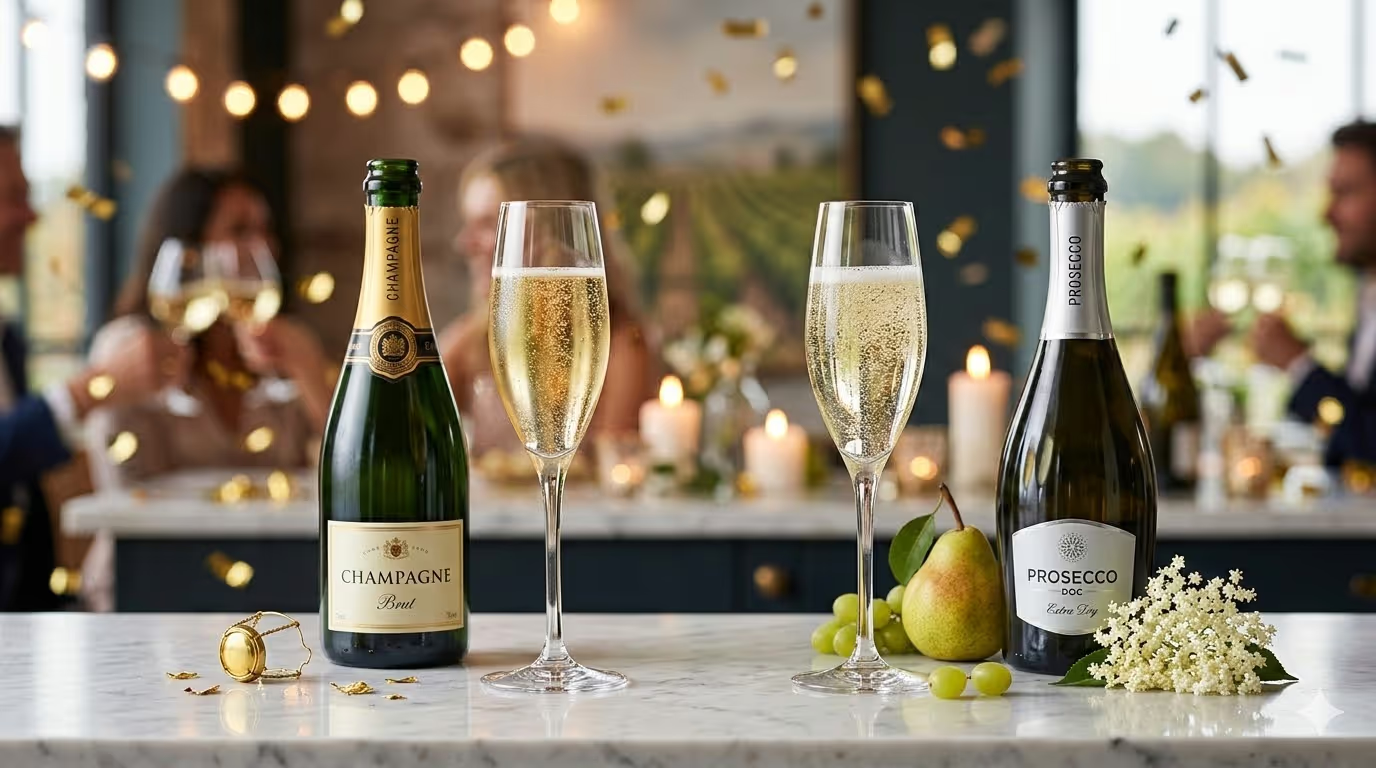

If you're choosing champagne vs prosecco, the real difference is simple: Champagne must come from France's Champagne region and gets its bubbles in the bottle, Prosecco comes from Italy and usually gets its bubbles in a tank. That one split changes the taste, the vibe, and often the price. Most importantly, it changes what's "safe" to order when you don't want to guess wrong.
You don't need wine knowledge to get this right. You just need a few simple wine explanations you can use on a menu or in the aisle, especially when picking types of sparkling wine.
Champagne vs Prosecco, the quick answer you can use tonight

Photo by Tim Durand
Think of these two sparkling wines as different kinds of "sparkle." Champagne is like a bakery at sunrise, toasted and a little nutty. Prosecco is like biting into a cold pear, bright and breezy. Both can be great, though there's often a price difference, with Champagne commanding a premium. They just solve different problems.
Here's a mini wine guide to anchor your choice fast:
| What you're comparing | Champagne | Prosecco |
|---|---|---|
| Where it's from | Champagne, France (protected name) | Italy, mainly Veneto and Friuli-Venezia Giulia |
| How bubbles are made | Second fermentation in the bottle | Second fermentation in a pressurized tank (common style) |
| Typical taste | Toasty, citrus, creamy, "grown-up" | Apple, pear, floral, fresh, easy |
| Feel in the glass | Finer bubbles, longer finish | Softer bubbles, quick refresh |
| Best use | Toasts, rich foods, "this matters" nights | Brunch, aperitifs, casual parties |
Takeaway: choose Champagne when you want complex and food-friendly, choose Prosecco when you want bright and crowd-pleasing. For extra background, Liquor.com's breakdown of how to choose between Prosecco and Champagne lines up with this same "taste and method" logic.
Quick gotcha: If it doesn't say "Champagne," it isn't Champagne. It might still be delicious sparkling wine, just not the protected style.
Now let's make this usable in real life, not just trivia.
Why they taste different (without the chemistry lesson)
The biggest taste difference comes from wine production techniques, especially how the bubbles get into the wine. Champagne's second fermentation happens inside each bottle using the method champenoise. It usually rests longer with the yeast that helped create the fizz, aging on the lees to build complexity and that unique carbonation. That's why Champagne often smells a bit like bread, toast, or roasted nuts. Those aromas make it feel "serious," even when you're wearing jeans.
Prosecco commonly uses the Charmat production method (tank fermentation). That approach protects fruity flavors and floral aromas. As a result, Prosecco often tastes like green apple, pear, and white flowers. It's direct. It's friendly. It rarely feels heavy.
This is wine explained simply:
- Champagne often tastes like fruit plus toast from its secondary fermentation.
- Prosecco often tastes like fruit plus flowers.
If you've ever wondered about label words, here are wine tasting notes explained in plain terms. "Brioche" means bready. "Citrus" means lemon or grapefruit. "Creamy" often means the bubbles feel fine, not foamy. "Floral" means it smells like blossoms, not perfume.
Sweetness causes another common mix-up:
Label trap: "Extra Dry" Prosecco is usually sweeter than "Brut." If you want the driest option, ask for Brut champagne.
For a simple, non-snobby refresher on the basic differences, Mental Floss has a clear explainer on Champagne vs. Prosecco.
So how do you turn all this into a confident order?
How to choose wine fast: restaurant, grocery store, and pairing wins
Use this 4-part decision framework as your real-world wine pairing guide for food pairing. It works at dinner, at brunch, or under bright grocery store lights.
1) Pick the mood first
Champagne feels like a crisp button-down shirt. Prosecco feels like a clean white tee. Both sparkling wines. Neither is "better." One just matches the moment.
If you're celebrating, Champagne makes the moment feel sharper. If you're hosting a casual group, Prosecco keeps it light and easy.
2) Match the food's "weight"
Sparkling wine loves food, especially salty and fried things. Still, the style matters.
- Rich foods (creamy pasta, butter sauces, roast chicken): Champagne's toasty flavor profile often holds up better.
- Light foods (salads, fruit, simple apps): Prosecco usually fits without overpowering.
For an easy example, sparkling wine is a sneaky win with holiday plates too. If you want more confidence for big meals, Sommy's guide on Champagne and sparkling with turkey dinner keeps it practical.
3) Use three lines of "restaurant wine tips"
When the server asks what you'd like, you don't need fancy nouns. Use simple preferences.
- Dryness: "Brut champagne, please" (dry) or "something a touch softer" (slightly sweeter).
- Style: "More toasty" (Champagne) or "more fruity" (Prosecco).
- Budget: "In the mid-range" is enough.
These are wine list tips that keep you in control without sounding rehearsed.
4) Make grocery store wine picks painless
In the aisle, decision stress spikes because there are too many labels. Keep it blunt:
- For Champagne, look for "Brut" and choose a price that feels comfortable.
- For Prosecco, look for high-quality options from the Valdobbiadene or Conegliano areas, where grapes are sometimes hand-harvested; choose "Brut" if you want crisp, "Extra Dry" if you like a hint of sweetness.
That's it. Those are simple wine tips you can remember while holding a basket.
If you want help choosing wine in the moment, this is exactly where an AI wine assistant earns its keep. Sommy offers smart wine recommendations based on your taste, budget, and what you're eating, including sparkling wine, turning "I don't know" into clear wine recommendations you can act on. It's friendly wine advice, not a lecture, and it's built for personalized wine recommendations, personalized wine picks, and practical wine app suggestions when you're staring at a list or shelf. For a calm, repeatable process, Sommy's post on how to choose wine you'll actually love is a solid modern framework.
Conclusion: two bubbles, two jobs, zero stress
In the champagne vs prosecco matchup, both styles of sparkling wine have their place, but they don't play the same role. Champagne tends to be toastier and more "meal-ready," Prosecco tends to be fruitier and easier for a crowd. With a few simple wine explanations and a quick decision framework, understanding these differences makes wine production easier to appreciate for the casual drinker, so you can choose confidently without becoming an expert.
If you want everyday wine advice that adapts to you, not the other way around, an AI wine assistant can turn your preferences into smart wine picks and calm, quick wine recommendations, whether you're ordering at a restaurant or making grocery store wine picks on a Tuesday.

.avif)